
Dr. James Chapa PhD.
Editor Eli Cohen
The mental model shifts away from the expectation of constant, incremental improvement and explains why progress often feels like a long, hard struggle followed by an “aha!” moment or breakthrough.
Psychological Punctuated Equilibrium suggests that the growth of your skills, understanding, or self-concept follows a pattern of long periods of relative stasis interrupted by short, intense bursts of change (punctuation).
This is the most crucial and most rewarding aspect of the Psychological Punctuated Equilibrium model. The “punctuation” phase is immediately followed by the establishment of a new, heightened mental state, which becomes the next period of stable equilibrium.
This new equilibrium is not just a return to normal but a higher, more functional, and more expansive mental baseline.
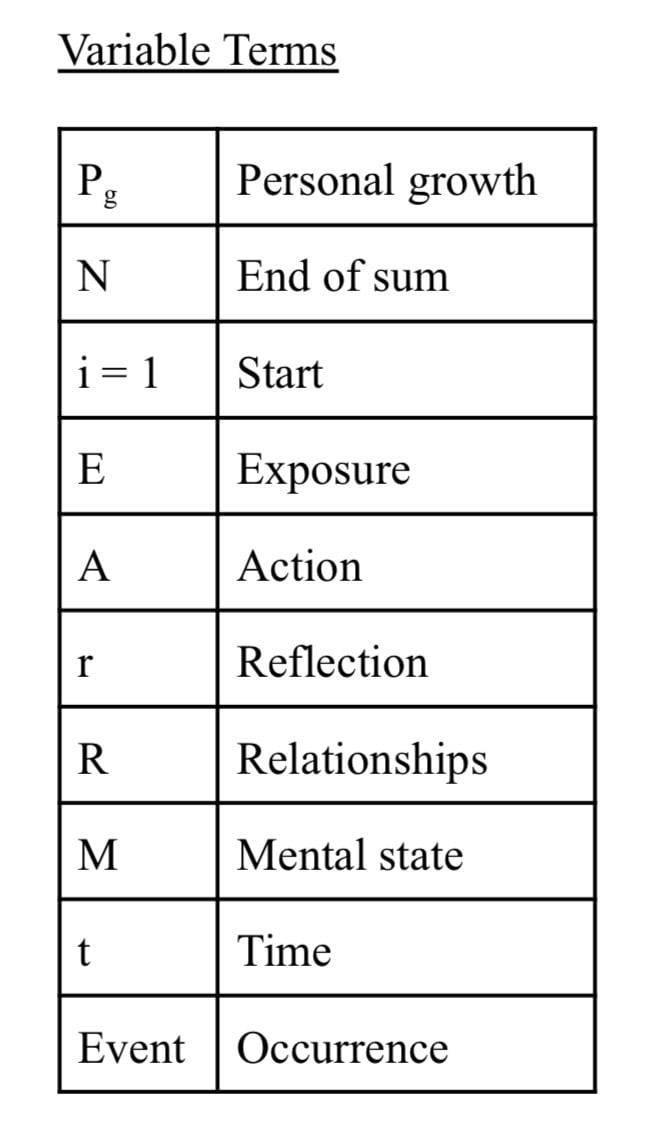
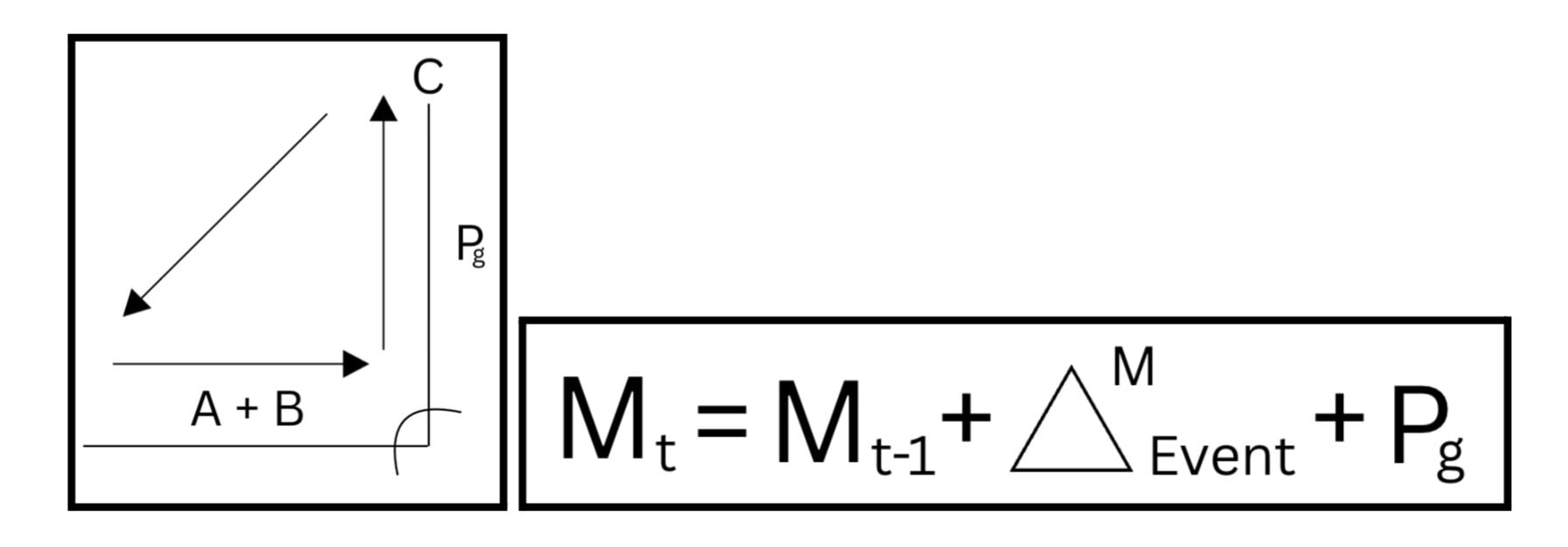
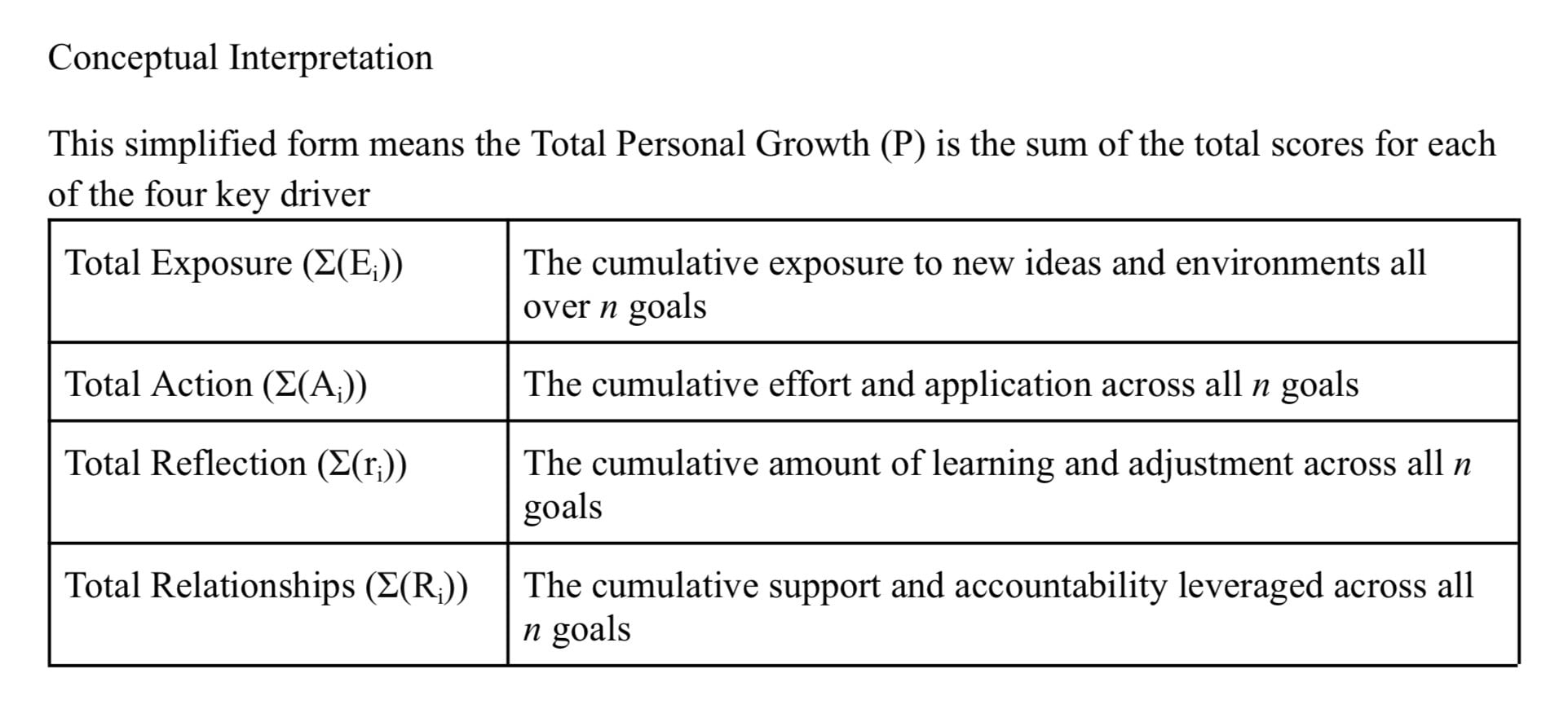
I have developed a framework based on punctuated equilibrium, which is a theory about the history of human evolution. It states that there will be a long period of evolutionary stability, a short period of rapid change after a significant event, and then another long period of stability. These periods would repeat in a continuous cycle.
My framework, the “James Chapa, PhD Model of Punctuated Mental and Emotional Growth,” argues that your life will follow that same pattern. Humans evolve mentally andemotionally in the same way that we have physically evolved, through a cause-and-effect pattern. There will be a long period of stability, punctuated by a brief period of evolutionary change, before that homeostasis is reached once more. This theory is in complete contrast to the idea of gradualism.
Let’s use a car crash to explain this idea. A car crash can be an incredibly traumatic event that alters your mental and emotional state for months or years. Your sense of stability, homeostasis, or equilibrium have been interrupted by a punctuated occurrence. When uncomfortable with your situation, confronting the past is absolutely vital. If you are willing to do this, you can begin to understand what went wrong and then be able to reach a heightened mental state. Negative emotions such as anxiety or guilt may come up in this confrontation, but these feelings are necessary as they are catalysts for authentic change. Once you are stable again, this new heightened mental state persists until another significant life event initiates the cycle again.
This theory also illuminates social responses to personal growth processes. When individuals repeatedly reference negative experiences, even for constructive learning, they are often criticized for “living in the past.” Conversely, recalling positive experiences receives no such scrutiny. This difference brings society’s discomfort with processing difficult emotions to light. Many people struggle to engage with “heavy” or negative content. This causes a chain reaction of discouraging others from expressing their experiences and getting rid of emotional vulnerability just so that people can avoid personal discomfort.
Mental and emotional growth is an essential and ongoing life process that is still underdeveloped in larger society. The “James Chapa, PhD Model of Punctuated Mental and Emotional Growth” seeks to normalize the cycles of psychological development and encourage individuals to embrace their patterns rather than resist them.