
 Vitamin A deficiency is primarily caused by inadequate dietary intake of preformed vitamin A (retinol) from animal sources or provitamin A carotenoids from plant sources, impaired absorption due to gastrointestinal disorders (e.g., celiac disease, chronic pancreatitis, cholestatic liver disease), increased requirements during periods of rapid growth, pregnancy, or lactation, and chronic infections that reduce absorption and increase losses.
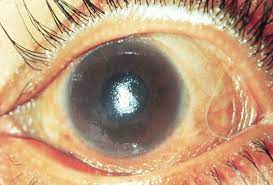
Symptoms of vitamin A deficiency include early ocular manifestations such as night blindness (nyctalopia), progressing to xerophthalmia (conjunctival and corneal dryness), Bitot’s spots, keratomalacia, and ultimately irreversible blindness if untreated.
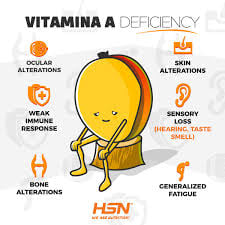
Systemic features include increased susceptibility to infections (especially measles and diarrheal diseases), impaired growth, anemia, squamous metaplasia of epithelial tissues, and poor wound healing.
In children and pregnant women, deficiency is associated with increased morbidity and mortality.
Treatment options center on vitamin A supplementation and correction of underlying causes.
Recommend is high-dose oral vitamin A (retinyl palmitate) for children with deficiency: 200,000 IU orally once for children ≥12 months, 100,000 IU for infants 6–11 months, and 50,000 IU for infants.
Prompt recognition and treatment can reverse most symptoms, but ocular sequelae may be permanent if intervention is delayed.
Vitamin A deficiency is a condition in which the body does not receive enough vitamin A, leading to significant health problems, especially in children and pregnant women in developing countries.
Main Effects of vitamin A deficiency: Childhood blindness: It is the world’s leading preventable cause of childhood blindness, accounting for the loss of sight in 250,000 to 500,000 children annually, with around half dying within a year of going blind.
Increased infection risk as deficiency impairs immune function, leading to higher rates of infections such as measles, respiratory issues, and diarrhea.
Maternal health risks: Pregnant women may experience night blindness and higher maternal mortality rates.
Key Symptoms of vitamin A deficiency:
Night blindness (nyctalopia) Xerophthalmia: Dry, thickened whites and corneas of the eyes, progressing to Bitot spots, corneal ulcers, and potential blindness. Dry, scaly skin: Skin and mucosal linings become dry and thickened. Slowed growth and development: Particularly in children. Higher risk of complications from infectious diseases: Especially severe outcomes with measles.
Causes of vitamin A deficiency:
Inadequate dietary intake: Most common in regions with food insecurity.
Malabsorption: Conditions like celiac disease, chronic diarrhea, pancreatic insufficiency, or liver disorders hinder utilization. Protein energy malnutrition: Reduces retinol uptake. Chronic alcohol use Certain medications may interfere with vitamin A metabolism and absorption.
Diagnosis Clinical signs of night blindness and other ocular issues prompt evaluation.
Measuring serum retinol concentrations; less than 0.70 μmol/L indicates subclinical deficiency, and less than 0.35 μmol/L indicates severe deficiency.
Response to supplementation: Improvement after supplement confirms deficiency.
At-Risk Groups Young children Pregnant and breastfeeding women People with chronic illnesses or malabsorption syndromes Individuals in resource-poor settings
Prevention Vitamin A supplementation Improved diet: Ensuring adequate intake from foods rich in vitamin A, such as animal products and colorful fruits and vegetables.