
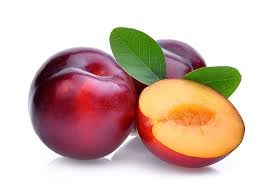
 Plums are a diverse and nutritious stone fruit enjoyed fresh, dried, or used in jams and desserts.
Plums belong to the genus Prunus and are related to peaches, apricots, and nectarines, making them stone fruits due to their hard pits.
There are over 2,000 varieties, with two main types dominating commercial markets: European plums which are mainly used for drying into prunes and Japanese/Chinese plums which are most common for fresh eating.
Plums are low in calories (about 40 per fruit) and high in antioxidants, fiber, potassium, vitamin C, and some calcium.
Plum nutrients may support healthy blood clotting, cardiovascular health, and provide protective effects against certain diseases due to antioxidant content.
Plums can be eaten fresh, dried as prunes, made into jams, fermented into wines or brandies, and baked into desserts.
Ripe plums are stored in the refrigerator.
Unripe plums ripen at room temperature in a loosely closed paper bag.
Plums health benefits include: antioxidant and anti-inflammatory effects, support for digestive health, improved heart and bone health, and even skin benefits.
The fiber content may also help lower cholesterol levels, while antioxidants can protect against heart disease.
Plums are particularly rich in plant antioxidants like anthocyanins and polyphenols, which help protect cells from damage.
Antioxidants may offer anti-inflammatory properties that lower the risk of chronic diseases such as heart disease, diabetes, and cancer.
Both plums and prunes are good sources of dietary fiber and natural compounds like sorbitol, which aid digestion, promote regular bowel movements, and help prevent constipation.
Both plums and prunes may also support the growth of healthy gut bacteria.
Regular consumption of plums is linked to reduced blood pressure and lower cholesterol due to fiber, potassium, and polyphenols.
Prunes in particular have been studied for bone health, as they contain vitamin K, potassium, boron, and magnesium, helping maintain bone density and reduce osteoporosis risk.
Plums have a low glycemic index, which allows for slow release of sugar into the bloodstream and can help stabilize blood sugar levels.
Plums contain chlorogenic acids, which may help regulate blood sugar levels and improve insulin sensitivity.
Their fiber content can also promote satiety and help with weight management.
Polyphenols and flavonoids in plums may protect brain cells from oxidative stress and inflammation, supporting cognitive function as we age.
Plum fruits are packed with antioxidants, including vitamin C, phenolic compounds, and anthocyanins, especially in darker varieties.
These compounds help protect cells from oxidative stress and may reduce inflammation throughout the body.
The vitamin C and other antioxidants also help reinforce the immune system.
Plums are rich in vitamin C and other nutrients that can help brighten the complexion, reduce spots, and protect skin from damage and premature aging.
Plums are high in dietary fiber, which promotes healthy digestion and regular bowel movements.
They also contain sorbitol, a natural sugar alcohol that can have a mild laxative effect, making them particularly helpful for preventing constipation.
Plums, particularly dried plums (prunes), may support bone health.
They contain compounds that appear to help prevent bone loss and may even promote bone formation, making them beneficial for preventing osteoporosis. . The potassium in plums supports cardiovascular function by helping regulate blood pressure.
Plums are relatively low in calories but high in water content and fiber, making them a satisfying snack that can help with weight management by promoting feelings of fullness.
The vitamin C content in plums contributes to immune system function and helps with iron absorption from plant-based foods.
Fresh plums are generally more beneficial than processed plum products, though dried plums retain many nutrients and offer concentrated benefits for digestive and bone health.