

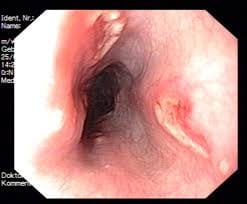
 Odynophagia is the medical term for pain when swallowing.
It can affect the mouth, throat, or esophagus, often feeling like a burning, stabbing, or squeezing sensation.
While temporary pain is common with a sore throat, persistent pain should be evaluated to rule out underlying conditions.
Odynophagia: Pain when swallowing (food, liquids, or saliva).
Dysphagia: Difficulty or the physical inability to swallow.
Painful swallowing is a symptom, not a diagnosis.
Potential causes of odynophagia include:Infections: Strep throat, tonsillitis, or esophageal infections like thrush (candidiasis), herpes simplex (HSV), or cytomegalovirus (CMV).
Gastrointestinal Issues: Severe acid reflux, GERD (Gastroesophageal Reflux Disease), or esophageal ulcers.
Medication-Induced: Certain pills, such as antibiotics or nonsteroidal anti-inflammatory drugs (NSAIDs), can irritate or damage the esophageal lining if not swallowed with enough water.
Inflammation: Swelling of the esophagus (esophagitis) caused by allergies or irritants.
Obstructions or Growths: Foreign objects, strictures (narrowing of the esophagus), or in rare cases, tumors.
Mild pain often resolves on its own within a few days, one should seek prompt medical attention if pain that lasts longer than a week or gets worse, severe pain that makes it difficult to eat or drink, Unexplained weight loss, high fever or chills, coughing up blood, pain that radiates to the chest or back.
To pinpoint the exact cause of odynophagia tests such as an upper endoscopy (EGD), a barium swallow, or throat cultures may be needed.
Treatment’
Treatment depends on the cause and may include antibiotics, antifungals, acid-suppressing therapy, anti-inflammatory or pain-relief measures, or occasionally surgery.