
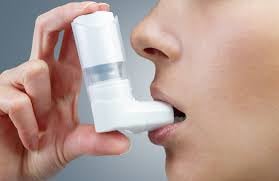
 Inhaled antibiotics are antimicrobial agents administered directly into the respiratory tract via inhalation.
Inhaled antibiotics are medications delivered directly to the lungs through inhalation, rather than taken orally or intravenously.
This delivery method allows for high concentrations of the antibiotic to reach the infection site while minimizing systemic side effects.
They typically using nebulizers or dry powder inhalers, to achieve high local concentrations in the airways while minimizing systemic exposure and toxicity.
This route is primarily used for chronic and difficult-to-treat respiratory infections, such as those seen in cystic fibrosis (CF), non-CF bronchiectasis, and ventilator-associated pneumonia, especially when pathogens are multidrug-resistant or refractory to systemic therapy.
Inhaled antibiotics are primarily used for: Cystic fibrosis patients with chronic lung infections, especially Pseudomonas aeruginosa Bronchiectasis with recurrent bacterial infections Ventilator-associated pneumonia in critically ill patients Non-tuberculous mycobacterial (NTM) infections
Commonly Used Inhaled Antibiotics:
Tobramycin-Most widely used, especially for Pseudomonas infections in cystic fibrosis Aztreonam- Beta-lactam antibiotic for Pseudomonas infections Colistinx-Used for multi-drug resistant gram-negative bacteria Amikacin-Newer option for NTM infections
With formulations available as nebulized solutions or dry powders.
In CF, inhaled tobramycin is standard of care for chronic Pseudomonas aeruginosa infection.
In non-CF bronchiectasis, inhaled antibiotics are recommend for patients with ≥3 exacerbations per year and chronic P. aeruginosa infection.
Inhaled antibiotics are also used adjunctively in ventilator-associated pneumonia due to multidrug-resistant gram-negative bacilli, particularly when systemic options are limited.
Adverse effects include cough, bronchospasm, dysgeusia, and, less commonly, development of antibiotic resistance.
The direct delivery to the lungs provides several benefits: higher local drug concentrations, reduced systemic toxicity, and better penetration into infected lung tissue, and for treating biofilm-associated infections that are difficult to eradicate with systemic antibiotics alone.