
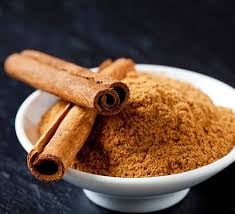
 Cinnamon is a spice made from the inner bark of trees in the genus Cinnamomum.
Types of CinnamonCeylon cinnamon (Cinnamomum verum): Known as “true cinnamon,” it originates from Sri Lanka, features a light brown color, and has a mild, sweet flavor with low levels of coumarin.
Cassia cinnamon: Includes Chinese, Indonesian, and Saigon varieties.
It is darker, has a stronger and spicier taste, costs less, and contains higher levels of coumarin.
Health Benefits and UsesAntioxidants:
Rich in protective plant compounds like polyphenols and cinnamaldehyde.
Blood sugar support: May help improve insulin sensitivity and assist with blood sugar management.
Culinary use: Used widely in baking, cooking, and beverages as sticks or ground powder.
Cinnamon is an aromatic spice made from the dried inner bark of *Cinnamomum* trees.
It is used primarily as a food flavoring.
Its potential health effects are modest and should not substitute for evidence-based treatment.
Main types
Ceylon true” cinnamon-Cinnamomum verum|: Lighter, delicate, multilayered quills; more subtle flavor.
Preferable for frequent culinary use or if using a cinnamon supplement
Cassia cinnamon-Darker, thicker, stronger flavor; common in U.S. grocery stores Fine in normal food amounts, but avoid chronic high-dose use
Cassia, including Indonesian, Chinese, and Saigon forms, dominates much of the commercial cinnamon supply.
Ceylon cinnamon is generally the lower-coumarin choice.
Cinnamon contains cinnamaldehyde and polyphenolic compounds, which account for its aroma and antioxidant activity.
In people with type 2 diabetes or insulin resistance, supplementation studies suggest cinnamon may produce a small improvement in fasting glucose in some settings, but study results are heterogeneous and it is not a replacement for diet, exercise, glucose-lowering drugs, or HbA1c-guided care.
Evidence is not clear enough to establish cinnamon as effective for any health condition.
Claims that it treats inflammation, infections, dementia, cardiovascular disease, or cancer remain unproven clinically.
Cinnamon used as a normal spice in meals is generally considered safe.
The main caution is coumarinmparticularly in cassia: sustained high intake can be hepatotoxic, especially in people with underlying liver disease or those using other potentially hepatotoxic exposures.
Extra caution with concentrated powders for:
Liver disease or prior unexplained transaminitis. Use anticoagulant/antiplatelet therapy, diabetes medications, or medications affecting hepatic function. Are pregnant, breastfeeding, or considering giving concentrated preparations to a child. Have oral or skin sensitivity; cinnamon flavoring can cause irritation or allergic contact reactions in susceptible people.
Culinary seasoning is reasonable; medicinal dosing is not well established.