
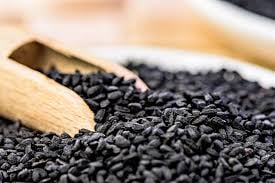
 Black seed oil, also known as black cumin seed oil or Nigella sativa oil, is extracted from the seeds of the Nigella sativa plant, which is native to Southwest Asia.
Black seed oil has been traditionally used for various health purposes, and some preliminary research suggests it may have anti-inflammatory, antioxidant, and antimicrobial properties.
The oil is typically extracted using methods such as cold pressing or supercritical fluid extraction, which influence its chemical composition and antioxidant properties.
The oil is generally considered safe for most people when used in normal food amounts
The primary bioactive constituents of black seed oil include thymoquinone, p-cymene, and various unsaturated fatty acids, notably linoleic, oleic, and palmitic acids.
Thymoquinone is considered the major pharmacologically active compound, and is responsible for many of the oil’s reported antioxidant, anti-inflammatory, antimicrobial, and cytoprotective effects.
The oil also contains tocopherols, terpenes, and sterols.
Black seed oil has a long history of use in traditional medicine and as a functional food ingredient. It is utilized in food, nutraceutical, and pharmaceutical industries for its potential health benefits, which include effects on cardiovascular, metabolic, and inflammatory conditions, among others.
The oil is generally considered safe for dietary use.
Rare cases of contact dermatitis have been reported with topical application.
Its use remains primarily as a supplement or adjunct in complementary medicine.
Common uses: Anti-inflammatory: Some studies suggest it may help with conditions like asthma, arthritis, or skin irritation. Antioxidant: Protects cells from oxidative damage. Metabolic support: May help regulate blood sugar and cholesterol in certain populations. Immune system modulation: Antimicrobial effects: Traditionally used to fight certain infections.
Black seed oil has demonstrated modest efficacy in improving certain cardiometabolic parameters, particularly in patients with type 2 diabetes mellitus and metabolic syndrome.
Randomized controlled trials show statistically significant reductions in fasting blood glucose, hemoglobin A1c, total cholesterol, and LDL cholesterol with black seed supplementation, especially in oil form and at doses >1 g/day for durations up to 8 weeks.
Clinical trials also show beneficial effects on blood pressure, lipid profile, and hepatic steatosis in patients with hypertension and non-alcoholic fatty liver disease, with no significant adverse events.
Evidence of efficacy is limited by heterogeneity in study design, dosing, and product standardization.
There is insufficient high-quality data to support black seed oil as a replacement for established therapies, and it should be considered only as a potential adjunct.
No formal guidelines recommending black seed oil use for any indication exist.
Typical forms include: Cold-pressed oil (taken orally or applied to skin/hair). Capsules Ground seeds in spice or herbal tea
Possible side effects: mild digestive upset, allergic reactions, or skin rash if applied topically without dilution.
Avoid of high doses during pregnancy as it may cause uterine contractions.
Can interact with certain medications: anticoagulants, antihypertensives, diabetes meds.