
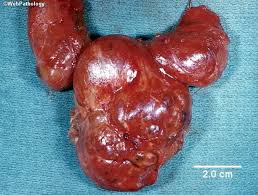
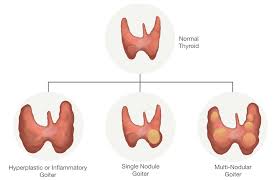
 A multinodular thyroid (or multinodular goiter) is a condition where multiple lumps or nodules develop within the thyroid gland, causing it to enlarge.
It is quite common, especially as people age.
Nontoxic multinodular goiter: The thyroid functions normally despite the nodules.
Toxic multinodular goiter-Some nodules produce excess thyroid hormone, causing hyperthyroidism
Common causes of thyroid nodules:
Iodine deficiency (less common in developed countries with iodized salt) Aging—becomes more common with age, especially in women Genetic factors Chronic thyroid inflammation
Many people have no symptoms, but when present they may include:
Visible swelling at the base of the neck Difficulty swallowing or breathing if the goiter is large Hoarseness Coughing Symptoms of hyperthyroidism, if toxic, rapid heartbeat, weight loss, anxiety, tremors.
Diagnosis:
Physical examination Blood tests (TSH, T3, T4 levels) Thyroid ultrasound Fine needle aspiration biopsy if nodules appear suspicious Radioactive iodine scan (for toxic multinodular goiter)
Treatment options depend on symptoms and thyroid function:
Observation:If small, asymptomatic, and benign Thyroid hormone therapy: May shrink the goiter in some cases Radioactive iodine-For toxic multinodular goiter Surgery-If the goiter is large, causing compression symptoms, or if cancer is suspected
Most thyroid nodules are benign, a small percentage can be cancerous, which is why proper evaluation is important.