
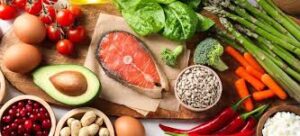
 Raw foods are unprocessed, uncooked foods, typically plant-based like fruits, vegetables, nuts, and seeds, not heated above 104–120°F (40–49°C) to preserve nutrients, though some diets include unpasteurized dairy, eggs, or fish.
They’re rich in vitamins, fiber, and antioxidants, offering benefits like
Fresh fruits and vegetables Nuts and seeds (often soaked or sprouted) Sprouted grains and legumes Cold-pressed oils Fermented foods (sauerkraut, kimchi) Nut milks and butters Some adherents include raw fish (sashimi), raw eggs, or unpasteurized dairy, though many raw foodists are vegan
Other inclusions: Cold-pressed oils (olive, flaxseed, avocado), seaweed, dried fruits, raw or fermented foods (kombucha, sauerkraut), and homemade nut milks.
Animal products:Some raw foodists eat raw eggs, fish (sushi/sashimi), or unpasteurized dairy.
Common preparation methods Juicing: Extracting juice from raw produce. Sprouting: Germinating seeds, grains, and legumes. Dehydrating: Drying foods at low temperatures. Blending/Processing: Making smoothies, nut butters, and raw desserts.
Potential benefits of raw food
High nutrient intake: Rich in vitamins, minerals, and antioxidants.
Reduced processed foods: Eliminates unhealthy, ultra-processed items.
Weight management: Can aid in weight loss.
May lower cholesterol and triglycerides.
Foodborne illness: Raw animal products pose a risk. Nutrient deficiencies: Restrictive diets can lack certain nutrients like Vitamin B12. Antinutrients: Raw legumes and grains contain compounds that can interfere with nutrient absorption
Potential benefits:
Higher intake of certain heat-sensitive vitamins (like vitamin C and some B vitamins) More enzymes and antioxidants Increased fiber consumption Weight loss due to lower calorie density Improved digestion for some people
Nutrient availability: Cooking actually increases the bioavailability of some nutrients (like lycopene in tomatoes, beta-carotene in carrots).
Food safety risks: Raw animal products and some raw vegetables can harbor harmful bacteria.
Eating raw meat and fish carries real, well‑documented risks, even though some dishes (like sushi or steak tartare) are popular.
The key dangers come from bacteria, parasites, and environmental contaminants, all of which can cause foodborne illness.
Nutritional completeness: Strict raw diets can be deficient in vitamin B12, iron, calcium, and protein
Some people find raw foods harder to digest, especially cruciferous vegetables and legumes
Raw fish and meat can harbor harmful bacteria that cooking would normally kill. Common bacteria found in raw fish Vibrio species — can cause vomiting, diarrhea, fever, and abdominal pain Health. Salmonella — leads to diarrhea, fever, and abdominal cramps Vibrio parahaemolyticus — causes watery diarrhea, vomiting, fever, and cramps within 12–24 hours Vibrio vulnificus — can cause severe illness, especially in people with weakened immune systems
Common bacteria found in raw meat E. coli, Campylobacter, Listeria, Salmonella — all can cause serious gastrointestinal illness.
Raw or undercooked fish can contain parasites such as:
Anisakis worms — can cause severe abdominal pain and allergic reactions. Tapeworms — found in some freshwater fish.
The CDC recommends only eating raw fish that has been previously frozen, which kills most parasites.
Environmental Contaminants
Raw fish may contain: Pollutants Heavy metals Toxins Microplastics
These risks increase when fish is consumed raw because nothing destroys or reduces them during cooking.
Foodborne Illness Symptoms Vomiting Diarrhea Fever Abdominal pain
Some people should avoid raw fish entirely: Pregnant individuals Children under 5 Adults over 65 Anyone with a weakened immune system
For these groups, infections can be severe or life‑threatening.