

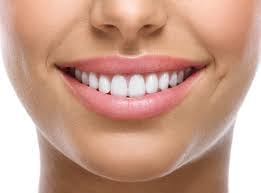
A smile is a facial expression formed by flexing the muscles around the mouth, typically causing the corners of the lips to turn upward and slightly outward.
The zygomaticus major muscles running from cheekbone to corner of mouth contract
In genuine smiles, the orbicularis oculi muscles around the eyes usually tighten too, causing small wrinkles / “crow’s feet” appear (this is what researchers call a Duchenne smile)
A smile is one of the most universally recognized human expressions, understood across cultures as a signal of happiness, warmth, or friendliness.
Smiles can convey a wide range of emotions and intentions: joy, amusement, affection, politeness, or even nervousness. Smile
The “Duchenne smile,” considered the most authentic kind, involves not just the mouth but also the muscles around the eyes, creating characteristic crinkles at the corners.
Smiling is also somewhat contagious — seeing someone else smile tends to trigger the same response in us, which is part of why it plays such a big role in social bonding.
A smile is one of the very few universal things that almost every human on Earth instantly recognizes and usually feels something about.
Common duration 0.5–4 seconds.
Seen in many primates too.
Contempt / smirking
Superiority, scorn, “I know something you don’t”
Often symmetric-One corner usually higher
Flirtatious
Interest + playfulness
Usually yes
Longer + glance very context & culture dependent
Nervous / fear grin
Babies start smiling socially around 6–8 weeks old — long before they can speak
People can detect a genuine vs fake smile in ~0.1 seconds when they see the eyes.
Smiling (even when forced) can measurably reduce stress hormones and increase pain tolerance slightly.
Across cultures studied, a smile is the facial expression most consistently interpreted as “friendly / positive”.
Some people (especially with social anxiety or certain neurodivergences find it exhausting or unnatural to maintain smiles for long periods.
Almost everyone who sees it instantly runs an unconscious meaning-making program on it.
Flirtatious
Interest + playfulness
Usually yes