
A seizure is an event; epilepsy is a condition.
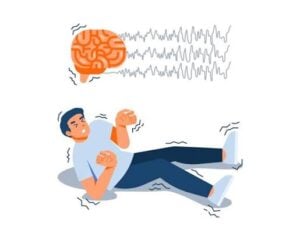
A seizure is a single episode of abnormal, excessive electrical activity in the brain.
It can cause convulsions, staring spells, loss of awareness, or strange sensations, and then it ends.
Anyone can have one, often for a clear reason: fever, low blood sugar, alcohol withdrawal, head injury, infection, or certain medications.
Epilepsy Epilepsy is a chronic brain disorder defined by a lasting tendency to have unprovoked seizures — seizures that happen without an immediate trigger.
The distinction in practice
One seizure does not mean epilepsy.
Epilepsy is diagnosed after two unprovoked seizures more than 24 hours apart, or one unprovoked seizure plus a high risk of more (roughly 60% or higher over 10 years, e.g., because of a brain lesion or abnormal EEG), or a recognized epilepsy syndrome.
A provoked seizure —usually doesn’t lead to an epilepsy diagnosis or long-term medication.
Epilepsy is a long-term diagnosis that typically means ongoing anti-seizure medication and follow-up with a neurologist; a single isolated seizure often just needs the cause found and treated.
Categories
Seizures vs epilepsy
Views: 1