
 Secondary syphilis is a stage of syphilis, a sexually transmitted infection caused by the bacterium Treponema pallidum.
Secondary stage syphilis typically occurs several weeks to a few months after the initial infection.
The initial infection is characterized by a primary chancre at the site of inoculation.
Secondary syphilis has a wide array of clinical manifestations.
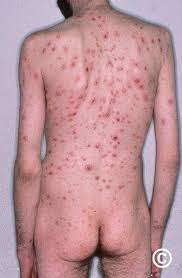
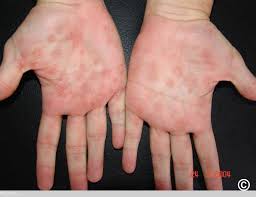
Hematogenous dissemination of treponemes leads to secondary syphilis, which occurs 4 to 10 weeks after the primary syphilis and as cutaneous lesions, including diffuse, symmetric, maculopapular rash involving the palms and soles and 70% to 90% of patients, mucosal lesions and condyloma lata.
During hematogenous dissemination, the primary lesion may still be present.
Its most common presentation includes a polymorphic rash that often involves the palms and soles, mucocutaneous lesions, and generalized lymphadenopathy.
Other systemic symptoms that may occur can include fever, malaise, weight loss, and myalgia.
The rash of secondary syphilis can be macular, papular, or pustular.
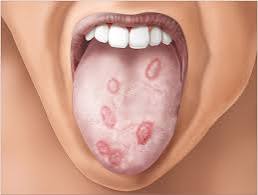
The rash may be accompanied by mucous patches in the oral cavity or condylomata lata in the anogenital region.
The rash of secondary syphilis may mimic other dermatologist conditions, including: psoriasis, lichen planus, pityriasis rosea, and condyloma accuminata.
Systemic symptoms of fever, diffuse lymphadenopathy may occur.
Secondary syphilis can resolve without treatment: approximately 25% of patients have relapsing episodes of secondary syphilis within the first year.
Less common clinical findings include alopecia, hepatitis, nephrotic syndrome, and ocular or neurological involvement.
Hepatic hepatitis occurs in 0.25% – 3% of patients with secondary syphilis and typically presents with the cholestatic pattern of liver injury.
Kidney involvement with proteinuria, nephrotic syndrome, membranoos nephropathy occurs in 0.3-10% of patients with secondary syphilis.
Diagnosis is typically confirmed through serologic testing, including non-treponemal tests such as the Rapid Plasma Reagin (RPR) and treponemal tests like the Treponema pallidum hemagglutination assay (TPHA)
Histopathological biopsy examination may reveal plasma cell infiltrates and necrotic keratinocytes.
Treatment for secondary syphilis generally involves a single intramuscular injection of benzathine penicillin G (2.4 million units).
Views: 7