
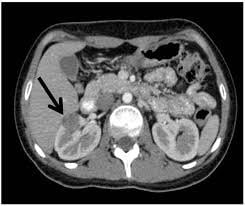
 A reninoma (or juxtaglomerular cell tumor) is an extremely rare, generally benign kidney tumor that secretes excessive amounts of the enzyme renin, causing high blood pressure that can be cured by surgical removal.
Fewer than 200 cases of reninoma have been reported globally.
Demographic: It is most commonly found in adolescents and young adults, with a predilection for women (2:1 ratio).
Nature: Reninomas are typically considered benign, though their malignant potential is uncertain and very few malignant cases have been reported.
Curability: Surgical resection of the tumor usually results in a complete cure of the associated hypertension.
Symptoms of a reninoma are primarily a result of the hyperactivation of the renin-angiotensin-aldosterone system, which leads to severe hypertension and low potassium levels.
Symptoms Severe hypertension Headaches and dizziness Fatigue and malaise Muscle weakness and numbness Nausea and polyuria with polydipsia Metabolic alkalosis
Diagnosis typically involves blood tests to reveal elevated levels of renin and aldosterone along with hypokalemia.
Imaging studies, such as contrast CT or MRI scans, are used to locate the small, well-circumscribed tumor in the kidney.
Renal vein renin sampling might also be used to confirm that the affected kidney is the source of the excess renin production.
The gold standard for definitive diagnosis is a histopathological examination of the removed tumor tissue.
Treatment: The primary treatment for a reninoma is the surgical removal of the tumor, which generally cures the patient of hypertension.
The optimal approach is generally a nephron-sparing partial nephrectomy, which removes only the tumor and preserves the rest of the healthy kidney tissue.
Minimally invasive options, like robotic-assisted surgery, is available.
Medications that target the renin-angiotensin-aldosterone system (such as ACE inhibitors or angiotensin receptor blockers) can effectively manage the symptoms before surgery, but they are not a permanent solution and may be contraindicated in certain situations, such as pregnancy.