
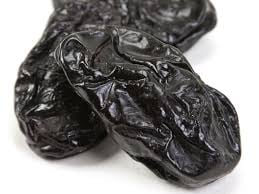
 Prunes are dried plums, typically made from European plums.
They’re created by dehydrating fresh plums until most of their water content is removed, thereby concentrating their natural sugars and nutrients.
Prunes are well-known for their digestive benefits due to their high fiber content and natural compounds like sorbitol, which can help with regularity.
They’re also rich in antioxidants, particularly phenolic compounds, and provide vitamins K and A, potassium, and other minerals.
Prunes support digestive health, bone strength, cardiovascular wellness, and provide antioxidant and anti-inflammatory benefits, along with important vitamins and minerals.
Prunes have a sweet, chewy texture and concentrated flavor that makes them popular in both sweet and savory cooking.
They’re commonly used in baked goods, stews, tagines, and eaten as snacks.
Prunes are perhaps best known for promoting healthy digestion.
They contain both soluble and insoluble fiber, plus natural sugar alcohols like sorbitol that help draw water into the intestines, making them effective for preventing and relieving constipation.
Prunes may help maintain bone density and reduce bone loss.
They contain vitamin K, potassium, and boron, along with phenolic compounds that may support bone formation and reduce bone breakdown.
The fiber, potassium, and antioxidants in prunes support cardiovascular health.
Potassium helps regulate blood pressure, while the fiber can help lower cholesterol levels.
Some studies suggest regular prune consumption may improve cholesterol profiles.
Prunes are rich in phenolic compounds and other antioxidants: helping protect cells from oxidative damage.
Prunes rank among the highest antioxidant-containing fruits, which may help reduce inflammation and lower disease risk.
Despite their sweetness, prunes have a relatively low glycemic index and their fiber content helps slow sugar absorption, potentially helping with blood sugar management.
The fiber and natural compounds in prunes can promote feelings of fullness, potentially helping with appetite control and weight management when eaten as part of a balanced diet.
Most of these benefits come from eating prunes regularly as part of an overall healthy diet, with typical recommended portions being around 4-6 prunes per day.
They are best known as a natural remedy for constipation, but their advantages extend much further.
Prunes are a well-known natural laxative due to their combination of insoluble and soluble fiber, sorbitol, and polyphenols, which increase stool frequency and contribute to regular bowel movements.
Eating a serving or two helps maintain regularity and supports gut health by promoting beneficial microbiome changes.
Studies indicate that consuming about five to six prunes per day may help prevent or even partially reverse bone loss, particularly in postmenopausal women at risk for osteoporosis.
Prunes contain vitamin K, potassium, boron, and phenolic compounds, which all contribute to healthy bone density and structure.
Prunes provide rich polyphenols and antioxidants, especially neochlorogenic and chlorogenic acids, which help lower LDL cholesterol and blood glucose and protect cells from oxidative stress,
Their high potassium content, low sodium, and fiber help promote cardiovascular health and assist in maintaining healthy blood pressure.
Prunes have a low glycemic index, supporting stable blood sugar and helping reduce type 2 diabetes risk.
They may help with overactive bladder by relieving constipation, which indirectly reduces bladder pressure.
Prunes can help support iron levels and may be useful in combating mild iron-deficiency anemia.
Despite their sweet flavor, prunes do not cause a rapid spike in blood sugar due to fiber and sorbitol content.
High in minerals like magnesium and copper in prunes contribute to general metabolic health.
A typical 30-gram serving (about 2 prunes) provides approximately 42 kcal, 2.3 grams of fiber, and generous amounts of potassium and iron, but negligible fat and no cholesterol.
Consuming prunes them in large quantities can cause gas or bloating because of their rich fiber and sorbitol content.