
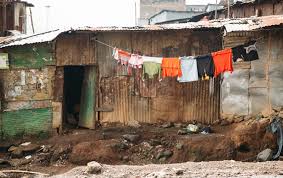
 Poverty is a state where individuals lack financial resources.
This leads to inadequate living standards.
Poverty has various causes and effects: environmental, legal, social, economic, and political.
In the United States, on average about 41.7 million people receive benefits each month under the Supplemental Nutrition Assistance Program (SNAP; formerly known as “food stamps”) in fiscal year 2024, which is roughly 12.3 % of the U.S. population.
About 70.5 million people were enrolled in Medicaid in the 50 states and the District of Columbia (June 2025 data):Including CHIP (Children’s Health Insurance Program), total enrollment in the two programs was around 77.7 million people.
Based on the latest U.S. Census Bureau data, the official poverty rate in the United States fell to 10.6% in 2024, down from 11.1% in 2023.
This means 35.9 million people lived in poverty in 2024.
However, there are different ways to measure poverty:
The official poverty rate of 10.6% is based on cash income before taxes .
This measure showed declines across several demographic groups including children, adults aged 18-64, and certain regions.
The Supplmental poverty rate (SPR) in 2024 was 12.9%, statistically unchanged from 2023.
This measure is higher because it uses after-tax income, includes refundable tax credits and noncash benefits, and subtracts certain expenses like work-related costs and medical expenses .
Poverty rates varied significantly by state, ranging from a low of 7.2% in New Hampshire to a high of 18.7% in Louisiana in 2024, with a U.S. average of 12.1% as measured by the American Community Survey .
The poverty rate has shown a general downward trend from its recent peak during the pandemic, though it remains above the historic low of 10.5% reached in 2019.
Absolute poverty measures income against basic needs like food, clothing, and shelter.
Relative poverty compares a person’s living standards to others in the same area and time.
Based on the latest U.S. Census Bureau data, the official poverty rate in the United States fell to 10.6% in 2024, down from 11.1% in 2023. This means 35.9 million people lived in poverty in 2024.
About 85% earn less than $30 per day.
Two-thirds earn less than $10 daily, and 10% survive on under $1.90.
Social issues like gender, disability, race, and ethnicity worsen poverty.
Women, children, and minorities often face the worst effects of poverty.
Impoverished individuals are at higher risk from environmental impacts and climate change.
Poverty can worsen other social problems.
Economic pressures in poor communities contribute to deforestation, biodiversity loss, and ethnic conflict.
Definitions of poverty change based on context.
Poverty denies choices and opportunities and violates human dignity.
It results in the inability to participate fully in society.
Poverty means not having enough to feed a family or access schools and clinics. It also includes lacking land, jobs, or credit.
Poverty brings insecurity, powerlessness, and exclusion for individuals and communities.
It increases susceptibility to violence and often leads to living in fragile environments.
Lack of basic security means missing the factors necessary for individuals and families to thrive.