
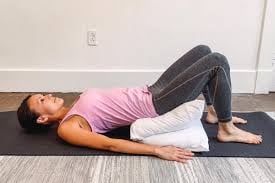
 Kegel exercises, or pelvic floor muscle training, involve the repetitive contraction and relaxation of the muscles that support the bladder, bowel, and reproductive organs.
Strengthening these muscles can help both men and women manage issues like urinary leakage and improve sexual function.
Strong pelvic floor muscles can help with: Bladder control and preventing urinary incontinence Bowel control Sexual function and sensation Recovery after childbirth or prostate surgery Support for pelvic organs
About 40% of people performing these exercises do so incorrectly at first by squeezing their abs or glutes instead.
The “Stop-Pee” Test while urinating to stop the flow mid-stream causes muscles to feel “lifting” the pelvic floor muscles.
The “Gas” Method of trying to prevent the passing of gas squeeze the pelvic muscles around the anus.
Physical Check of pelvic muscles: Women: Inserting a finger into the vagina and squeeze to feel the vagina tighten and the pelvic floor move upward.
Men: Using the muscles that pull your scrotum up toward the body.
The Basic Kegel Technique Performing exercises with an empty bladder to avoid discomfort or leakage.
Squeezing and Lifting: Contracting the pelvic floor muscles.
Imagine picking up a marble with the vagina or anus.
Hold and Relax: Hold the contraction for 3 to 5 seconds, then relax completely for another 3 to 5 seconds.
Repeat: Aim for 10 repetitions per set, doing 3 sets throughout the day.
Do not tighten the abdomen, thighs, or buttocks.
Do not hold your breath.
Vary Your Position:
It typically takes 4 to 8 weeks of daily practice to notice a significant difference in bladder control.
Kegel exercises are particularly helpful if experiencing urinary leakage, after pregnancy/childbirth, before or after prostate surgery, or as a preventive measure with aging.