
 Inborn error of metabolism characterized by low serum alkaline phosphatase activity from loss of function mutations.
Hypophosphatasia (HPP) is a rare, inherited genetic disorder that impairs the proper mineralization of bones and teeth due to a deficiency in the alkaline phosphatase (ALP) enzyme.
Hypophosphatasia (HPP) impairs bone and tooth mineralization due to low activity of alkaline phosphatase an enzyme needed to process phosphate.
Mutations in the ALPL gene, inherited in either autosomal dominant or recessive patterns depending on severity.
Persistently low serum alkaline phosphatase (ALP) is the hallmark.
Loss of function mutations are typically missense within the gene for the tissue-nonspecific isozyme of alkaline phosphatase (TNSALP).
Substrates of TNSALP accumulate, including inorganic pyrophosphate, an inhibitor of minerlization, and pyridoxal 5’phosphate (PLP) the major circulating form of circulating vitamin B6.
High levels of extracellular inorganic pyrophosphate blocks hydroxyapatite crystal growth and results in rickets or osteomalacia.
Affected patients may have hypercalcemia, and hyperphosphatemia.
Associated with impaired vitamin B6 metbolism indicating that TNSALP functions as a cell surface enzyme.
When TNSALP deficiency is profound pyrioxine responsive seizures may occur.
Symptoms vary widely based on age and severity, ranging from life-threatening infant complications to widespread bone complications.
The result is defective mineralization of bone and teeth.
Perinatal / Infantile: Severe lack of bone hardening, short limbs, deformed chest walls, and life-threatening breathing problems.
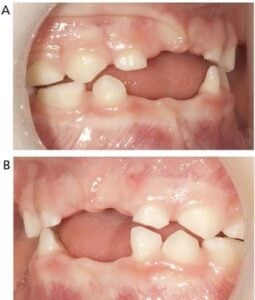
Childhood: Bowed legs, short stature, waddling gait, and early loss of primary (baby) teeth.
Adult / Odonto: Frequent foot or thigh stress fractures, bone/joint pain, and premature loss of adult teeth.
Causes and DiagnosisCause: Mutations in the ALPL gene, which codes for tissue-nonspecific alkaline phosphatase (TNSALP).
Diagnosis: Identified through persistently low levels of serum alkaline phosphatase (ALP) on a standard blood test, combined with clinical signs or X-ray findings.
Finding Typical in HPP Alkaline phosphatase Low for age/sex — most important clue Calcium Normal or ↑ Phosphate Normal or ↑ PTH Usually normal Vitamin B6 ↑ Urinary phosphoethanolamine ↑ Bone mineralization Defective ALPL genetic testing can confirm diagnosis
Important: ALP normally varies substantially with age.
Children and adolescents should have their ALP compared with pediatric reference ranges, not adult ranges.
Clinical spectrum
HPP ranges from lethal disease in infancy to a mild adult form.
Perinatal: severe skeletal hypomineralization, respiratory failure, very high mortality.
Infantile: poor growth, hypotonia, rickets-like skeletal changes, hypercalcemia/hypercalciuria, premature loss of teeth.
Childhood: short stature, rickets, bone pain, fractures and premature loss of primary teeth.
Adult: recurrent or poorly healing fractures, particularly metatarsal fractures and pseudofractures, chronic bone/joint pain, chondrocalcinosis and early loss of teeth.
Odontohypophosphatasia: predominantly dental disease with little skeletal involvement.
TNSALP normally hydrolyzes several phosphate-containing compounds, including inorganic pyrophosphate (PPi). In HPP:
↓ TNSALP → ↑ PPi → inhibition of hydroxyapatite formation → defective bone/teeth mineralization
The same enzyme deficiency explains the characteristic elevation of pyridoxal-5′-phosphate (PLP).
Treatment
The major disease-specific treatment is asfotase alfa, a recombinant enzyme-replacement therapy that replaces deficient TNSALP activity.
It is primarily used for patients with pediatric-onset HPP and significant skeletal/systemic disease.
For adults with mild HPP, management is often individualized and may include fracture prevention, dental care, pain management and treatment of complications.
Conventional treatment of presumed osteoporosis with bisphosphonates can be inappropriate or potentially harmful in HPP, because bisphosphonates are pyrophosphate analogues and can further interfere with mineralization.
Before diagnosing HPP, secondary causes of low ALP should be excluded, including malnutrition, zinc or magnesium deficiency, hypothyroidism, severe anemia, certain medications, and other metabolic conditions.