
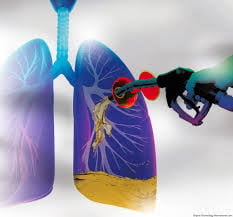
 Diesel fuel and its exhaust pose significant health risks, primarily via inhalation, skin contact, or less commonly, ingestion.
Exposure can lead to both immediate and long-term adverse effects, especially for the respiratory and cardiovascular systems.
Short-term inhalation of diesel fumes can cause irritation of the eyes, nose, throat, and lungs.
Short-term inhalation of diesel fumes may cause as headaches, dizziness, nausea, and lightheadedness.
Swallowing diesel fuel can irritate the mouth, throat, and stomach, leading to nausea and vomiting.
The accidental aspiration of diesel fuel into the lungs can induce chemical pneumonitis.
Skin contact with diesel may cause irritation, and redness.
With prolonged exposure to diesel dermatitis or chemical burns can occur.
Long-term exposure to diesel exhaust is strongly linked to an increased risk of developing lung cancer and, possibly, bladder cancer.
Chronic exposure can worsen or cause asthma, chronic bronchitis, and reduce lung function, aggravates pre-existing heart and lung diseases, particularly among vulnerable populations of children, elderly, those with asthma/COPD).
Diesel exhaust contains fine and ultra-fine particles, polyaromatic hydrocarbons (PAHs), nitrogen oxides, and other carcinogenic compounds such as arsenic, benzene, formaldehyde, nickel, which can trigger inflammation and promote cancer development.
Sensitive groups include children, people with chronic respiratory or cardiovascular illnesses, the elderly, and workers in high-exposure environments.
Epidemiological studies have shown a higher incidence of respiratory and cardiovascular hospital admissions, asthma attacks, and even premature death in populations exposed to elevated diesel particulate concentrations.
Reducing exposure involves avoiding high-traffic or diesel-heavy areas, using air purification (HEPA filters), wearing masks (N95), and retrofitting engines or using cleaner fuels.
Immediate removal and cleaning of skin exposed to diesel, and seeking fresh air if exposed to fumes, are advised for acute incidents.
Summary Table
Inhalation-Eye, nose, throat irritation; headache; nausea Lung cancer, asthma, COPD, heart disease
Skin Contact-Redness, dermatitis, burns
Ingestion-GI tract irritation, aspiration pneumonitis
Diesel fuel and its combustion products are significant contributors to both acute and chronic health hazards, particularly through respiratory exposure, and they are recognized as human carcinogens.