
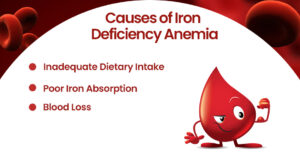
 The most common causes of iron deficiency are chronic blood loss (especially from the gastrointestinal or genitourinary tract), inadequate dietary intake, and impaired absorption.
Gastrointestinal blood loss (such as from malignancy, peptic ulcer disease, or other GI lesions), menstrual blood loss in women of reproductive age, and malabsorptive conditions (including celiac disease and inflammatory bowel disease) are key etiologies.
Additional contributors include frequent blood donation and medications that reduce gastric acidity or increase bleeding risk-antacids, proton pump inhibitors, anticoagulants.
Iron deficiency is not a diagnosis itself but a manifestation of an underlying process that must be identified and addressed.
Other mechanisms contribute to iron deficiency. Increased physiological requirements are a major factor in children, adolescents, and pregnant women, where rapid growth or gestation outpaces iron supply.
Chronic inflammatory states—including chronic kidney disease, heart failure, and inflammatory bowel disease—can cause functional iron deficiency by increasing hepcidin levels, which sequester iron in storage sites and limit its availability for erythropoiesis, even when total body iron is normal or increased.
Impaired absorption is frequently seen in conditions such as celiac disease, atrophic gastritis, Helicobacter pylori infection, and after bariatric surgery, particularly procedures that bypass the duodenum, the primary site of iron absorption.
Obesity itself is associated with increased hepcidin and reduces iron absorption leading to iron deficiency.
Adipose tissue produces hepcidin and induces inflammation
Iron deficiency is common in chronic diseases, such as chronic kidney disease, inflammatory, bowel disease, and cancer.
Parasitic infections, (hookworm and other soil-transmitted helminths), are a significant cause of iron deficiency in endemic regions due to chronic intestinal blood loss.
Dietary factors also play a role in populations with low intake of heme iron from animal sources or with diets high in phytates and polyphenols, which inhibit non-heme iron absorption.
Frequent blood donation and intense endurance exercise can further increase risk through repeated iron loss or hemolysis.
The main causes of iron deficiency are inadequate dietary intake, chronic or acute blood loss, increased iron demand, as during pregnancy or growth and impaired iron absorption due to medical conditions or surgery.
Blood loss: heavy menstrual periods, gastrointestinal bleeding (e.g., ulcers, polyps, colon cancer), trauma, or frequent blood donation.
Inadequate dietary intake: Diets low in iron as with vegetarian or restrictive diets, not eating enough iron-rich foods, or poor nutrition can lead to deficiency.
Increased iron needs: Pregnant women, infants, and teenagers may need more iron, especially during rapid growth or fetal development.
Problems with absorption: Conditions like celiac disease, certain intestinal surgeries, such as gastric bypass, or genetic conditions may prevent the body from absorbing enough iron.
Chronic use of medications like aspirin can cause slow, hidden internal bleeding and subsequent iron loss.
Athletic factors: Vigorous exercise can modestly increase iron requirements and losses.
Less common causes can include endometriosis, certain genetic mutations, malabsorption disorders, and rare tumors or chronic diseases.