
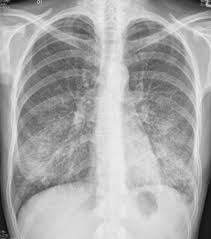
 Atypical pneumonia is a form of pneumonia caused by pathogens other than the classic bacterial culprits like Streptococcus pneumoniae, and it tends to present differently from typical pneumonia.
Atypical pneumonia refers to community-acquired pneumonia caused by intracellular pathogens that do not respond to β-lactam antibiotics and often present with extrapulmonary manifestations in addition to respiratory symptoms.
Causes The main causative organisms are: ∙ Mycoplasma pneumoniae — most common cause, especially in younger people
∙ Chlamydophila pneumoniae — common in adults ∙ Legionella pneumophila — associated with contaminated water sources; can be severe ∙ Chlamydophila psittaci — from bird exposure (psittacosis) ∙ Viruses — influenza, RSV, SARS-CoV-2, adenovirus
The most common causative organisms are Mycoplasma pneumoniae, Chlamydophila pneumoniae, and Legionella species, accounting for approximately 15-22% of community-acquired pneumonia cases worldwide.
Clinical Features
Often called walking pneumonia because patients may feel well enough to remain ambulatory.
Atypical pneumonia classically presents with a less severe clinical course than typical bacterial pneumonia, characterized by systemic complaints such as headache, myalgia, fatigue, and fever, often with relatively mild respiratory symptoms.
Mycoplasma pneumoniae typically causes mild walking pneumoniamwith prominent cough and sputum production, and may exacerbate asthma or cause persistent cough. It is more common in children and young adults.
Chlamydophila pneumoniae presents similarly to M. pneumoniae with gradual onset of respiratory symptoms and has been associated with exacerbation of asthma and chronic lung diseases.
Legionella pneumophila is the most severe atypical pathogen and often requires hospitalization.
Characteristic features include high fever (often >40°C), relative bradycardia, prominent gastrointestinal symptoms (diarrhea in 19-47% of cases), neurological manifestations (confusion, headache), and hyponatremia.
Legionella should be strongly considered in severe pneumonia with these extrapulmonary features.
However, this distinction is not absolute, and significant overlap exists with typical pneumonias.
Key distinguishing features include:
Features include: Gradual onset over days to weeks
Dry, nonproductive cough vs. productive in typical pneumonia
Low-grade fever, headache, malaise, sore throat
Minimal or absent chest exam findings despite CXR abnormalities — the classic CXR-clinical dissociation.
Extrapulmonary symptoms are common with GI upset, rash, ear pain, hemolytic anemia with Mycoplasma
Diagnosis
CXR: Patchy, bilateral interstitial or reticulonodular infiltrates with findings looking worse than the patient.
Radiographic findings are nonspecific but commonly include consolidation, ground-glass opacities, bronchial air bronchograms, and pleural effusion.
No single radiographic feature is pathognomonic for atypical pneumonia.
Serology: Cold agglutinins in Mycoplasma, urinary Legionella antigen
PCR: Most sensitive for Mycoplasma, Chlamydophila
Serologic testing (IFA/IgM) though increased IgG indicates past exposure rather than acute infection.
CBC: Usually there is no leukocytosis, unlike typical bacterial pneumonia
Metagenomic next-generation sequencing (mNGS) of bronchoalveolar lavage fluid for difficult cases.
Treatment
Standard beta-lactams are ineffective because these organisms lack a cell wall (Mycoplasma) or are intracellular.
Macrolides Azithromycin, clarithromycin
Tetracyclines-Doxycycline Good alternative; covers all major atypicals
Fluoroquinolones-Levofloxacin, moxifloxacin: Reserved for severe or resistant cases |
Legionella specifically responds best to fluoroquinolones or azithromycin.
Treatment duration is typically 2 weeks for potent agents, or 3 weeks for erythromycin.
Combination therapy with rifampin may be considered in severe cases or immunocompromised patients.
Macrolide resistance: Increasing macrolide resistance in M. pneumoniae has been reported, particularly in Asia (>85% in some pediatric populations), which may necessitate fluoroquinolone therapy.
Evidence suggests that empirical coverage for atypical pathogens in hospitalized patients with community-acquired pneumonia reduces morbidity and mortality.
Most guidelines advocate for combination therapy with a β-lactam plus macrolide or fluoroquinolone monotherapy to ensure coverage of both typical and atypical pathogens.