
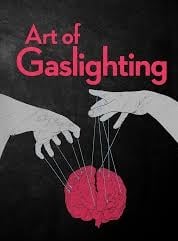
 Gaslighting is a form of psychological manipulation and emotional abuse where one person being the gaslighter, makes another, the gaslightee, question their own perceptions, memories, sanity and reality.
The goal is typically to gain power and control by making the victim dependent on the abuser’s version of the truth.
The term comes from the 1944 film Gaslight, in which a husband secretly dims the gas lights in their home, then denies the lights are changing when his wife notices — making her doubt her own senses.
Techniques to destabilize their targets:
Denial: Flatly refusing to admit they said or did something, even when presented with proof.
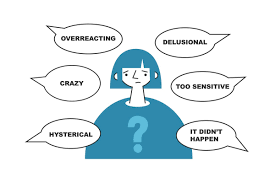
Trivializing by dismissing the victim’s feelings or needs as “too sensitive” or “overreacting”.
Countering memory:Questioning the victim’s memory of events.
Withholding: Refusing to listen or pretending not to understand to avoid accountability.
Diverting: Changing the subject or questioning the victim’s credibility when confronted.
Recruit others — Enlisting people to reinforce their version of events.
Signs of gaslighting include:
Constantly second-guessing yourself or your memories.
Frequently apologizing to your partner even when you aren’t at fault.
Feeling “crazy,” confused, or “on edge” around a specific person.
Making excuses for the other person’s behavior to friends and family.
Withholding information from others to avoid having to explain the conflict.
Management:
Identifying the behavior: Use resources to help clarify what you are experiencing.
Collecting evidence to document interactions via journals, screenshots, or voice notes to anchor yourself in your own reality.
Disengage: Avoid arguing over the truth with someone who is fabricating facts.
Use assertive phrases like seeing things differently or discontinuing thi]e conversation.
Connect with trusted friends or a mental health professional for an objective perspective.
Keeping a journal to document events and your own feelings.
Talking to trusted friends or a therapist to reality-check your experiences
Recognizing the pattern — simply naming it as gaslighting can be grounding
Over time, the gaslightee begins to distrust their own judgment, becomes more dependent on the gaslighter’s version of reality, and may develop anxiety, depression, or a diminished sense of self-worth.
Gaslighting is a common tactic in abusive relationships, but it also appears in workplaces, families, and political rhetoric.