
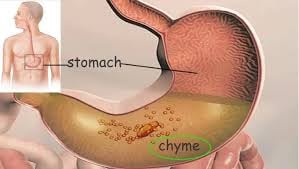
 Chyme is the acidic, semifluid mixture of partially digested food and gastric juice in the stomach and proximal small intestine.
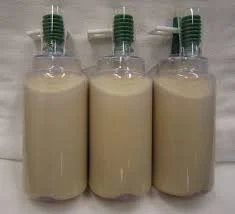
Chyle is the milky, fat-rich lymph absorbed from the small intestine into the lymphatic system during fat digestion.
Chyme is a semifluid mass formed when ingested food is mixed with gastric juice (HCl, pepsin, etc.) in the stomach; it is then released through the pylorus into the duodenum.
Chyle is a milky lymphatic fluid composed of lymph plus emulsified fats/chylomicrons formed in the small intestine during digestion of dietary lipids and taken up by intestinal lacteals.
Chyme contains partially digested carbohydrates, proteins, and lipids mixed with gastric secretions (HCl, pepsin, gastric lipase, mucus, electrolytes.
Strongly acidic, with pH typically between 1–3 due to hydrochloric acid.
Chyle contains lymph, chylomicrons (long-chain triglycerides, cholesterol esters, phospholipids), fat-soluble vitamins, electrolytes, and lymphocytes.
Chyle appears milky or opalescent because of the high lipid (chylomicron) content as normal lymph without fat is clear.
Chyme is produced in the stomach by mechanical churning and mixing of food with gastric juice.
Found in the stomach and then the lumen of the small intestine as it passes distally.
Chyle is produced in the small intestine, mainly the jejunum, during fat digestion after emulsification by bile salts and enzymatic lipolysis.
Chyle Is located within intestinal **lacteals** and then in lymphatic vessels (cisterna chyli, thoracic duct) en route to venous circulation.
Chyme is the digesting meal a substrate for pancreatic enzymes and bile in the duodenum, enabling further breakdown and absorption of nutrients.
Chyme has a controlled delivery from stomach to duodenum regulating digestive load and allows neutralization of gastric acid by bicarbonate in the small intestine.
Chyle represents the absorbed lipid product, a vehicle by which dietary long-chain fats and fat-soluble vitamins bypass the portal system and enter systemic circulation via lymph.
Chyle contributes to immune cell trafficking because it is rich in lymphocytes from intestinal lymphoid tissue.