
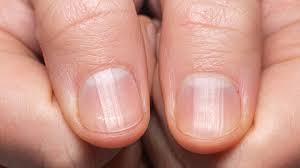
 Fingernails are made of keratin, the same protein found in hair and skin.
The main parts of the nail include:
Nail plate-The visible hard part of the nail Nail bed-The skin beneath the nail plate Cuticle-The tissue that overlaps the nail plate at the base, protecting new nail growth Lunula-The whitish half-moon shape at the nail base, which is most visible on thumbs. Nail matrix-The tissue under the cuticle where new nail cells form – this is the growth center Nail root-Where the nail grows from, located under the cuticle
Fingernails grow at different rates for everyone, but on average: About 3-4 millimeters per month (roughly 1/10 inch) Fingernails grow faster than toenails Growth is faster in summer than winter Dominant hand nails often grow slightly faster It takes about 6 months for a fingernail to completely regenerate from base to tip Growth slows with age
Factors affecting nail growth include nutrition, overall health, hormones, and even which finger: the middle finger nails tend to grow fastest.
Brittle nails-Nails that split, peel, or break easily, often from frequent water exposure, harsh chemicals, or aging
Hangnails-Small tears in the skin around the nail, usually from dryness or nail biting.
Ingrown nails-When the nail grows into the surrounding skin and is more common in toenails.
White spots (leukonychia)-Usually from minor trauma to the nail matrix.
Ridges-Vertical ridges are typically normal with aging; horizontal ridges can indicate illness or stress
Nail biting is a habit that can damage the nail bed and increase infection risk
Nails can reflect overall health.
Pale or white nails-May indicate anemia or liver disease
Yellow nails-Can signal fungal infection, psoriasis, thyroid disease, or chronic bronchitis
Blue-tinged nails-May indicate low oxygen levels in the blood (lung or heart problems)
Clubbing-Associated with lung disease, heart disease, or inflammatory bowel disease
Spoon nails-concave shape-Can indicate iron deficiency anemia
Pitting-small depressions-Often associated with psoriasis
Dark lines or spots could be normal pigmentation, but a dark vertical line should be checked by a doctor to rule out melanoma
The separation from nail bed may indicate thyroid disease, infection, or psoriasis.