
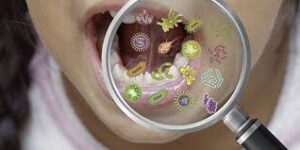
 The oral microbiome is the diverse community of microorganisms living in the mouth – primarily bacteria, but also fungi, viruses, protozoa, and archaea.
It’s one of the most complex and densely populated microbial communities in the human body.
The mouth harbors over 700 different species of bacteria, with billions of individual microbes.
These form biofilms, like dental plaque, on teeth, gums, tongue, and other oral surfaces.
The composition varies between different sites in your mouth – the bacteria on your tongue differ from those between your teeth or in gum pockets.
Microbiome inhabits the various surfaces and microenvironments of the human oral cavity.
A healthy oral microbiome helps protect against harmful pathogens, aids in initial food digestion, and supports immune system development.
The oral microbiome is highly diverse, with hundreds to over a thousand microbial species identified, and its composition varies across different oral niches due to local environmental factors like pH, oxygen, and nutrient availability.
Some bacteria produce antimicrobial compounds that keep pathogenic species in check.
Dysbiosis contributes to common oral diseases like cavities, gum disease, and bad breath.
Dysbiosis in the oral microbiome are linked to oral diseases such as dental caries, periodontitis, and candidiasis, as well as systemic conditions including cardiovascular disease, diabetes, and cancer.
Streptococcus mutans is particularly associated with tooth decay, while species like Porphyromonas gingivalis are linked to periodontitis.
Links between oral microbiome composition and systemic health conditions including cardiovascular disease, diabetes, and even Alzheimer’s disease:the exact mechanisms are still being studied.
Regular brushing and flossing, limiting sugar intake, avoiding smoking, and routine dental care help maintain a healthy oral microbiome rather than trying to eliminate all bacteria.
The oral microbiome is shaped by genetics, diet, hygiene, medications, and other lifestyle factors, and its dynamic interactions with the host are essential for both oral and overall health.
Studies suggest oral bacteria and fungi are significant risk factors for pancreatic cancer development.
Porphyromonas gingivitis, a periodontal pathogen is associated with increased risk for oral digestive cancer and specifically pancreatic cancer.