
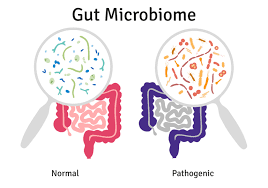
 To improve the gut microbiome, science-backed strategies that focus on dietary and lifestyle changes to support a diverse and healthy population of gut bacteria:
Eating a Variety of Plant-Based Foods.
Aim for at least 30 different types of plant foods weekly.
Consuming a variety of fiber-rich foods such as fruits, vegetables, whole grains, legumes, nuts, and seeds, which feed beneficial gut bacteria and promote their diversity.
Variety in fruits, root vegetables, grains, legumes, nuts, and seeds, leafy greens lentils, nuts, berries, avocadois crucial for fostering microbiome diversity and overall gut health.
Increase Fiber Intake High-fiber foods—such as beans, whole grains, vegetables, nuts, and fruits—serve as prebiotics, feeding your gut bacteria and supporting a healthier, more resilient microbiome.
Probiotic and Fermented Foods
Foods containing live bacteria (probiotics) may help enrich the gut microbiome Yogurt (with live active cultures) Kefir Kombucha Sauerkraut Kimchi Miso Tempeh Unpasteurized cheeses
Eat Prebiotic Foods Prebiotics are specific types of fiber that feed good bacteria in the digestive tract.
Eating prebiotic foods to help beneficial bacteria thrive.
Bananas Garlic Onions Leeks Asparagus Chicory root Oats Apples Cashews and pistachios
Polyphenol-Rich Foods
Plant polyphenols may support good bacteria and inhibit bad bacteria.
Foods rich in polyphenols include berries, pomegranate, dark chocolate, coffee, tea, colorful vegetables, herbs, and spices.
Limit Ultra-Processed and High-Sugar Foods
Ultra-processed foods and those high in sugar can increase bad microbiota in the gut and reduce microbial diversity.
Minimize intake of added sugars, highly processed foods, and red meat, which can decrease beneficial bacteria and promote inflammation.
Water Hydration helps maintain regular bowel movements and may increase bacterial diversity in the gut.
Nuts, Seeds, and Healthy Fats are rich in fiber, polyphenols, and omega-3s, all supporting a richer gut microbiome.
Lifestyle: Exercise, sleep, and stress management help maintain a healthy gut environment, complementing dietary changes.
Eating slowly and mindfully: Chewing food thoroughly and eating slowly aids digestion and can help reduce symptoms like bloating or gas commonly associated with dietary transitions.
Quit smoking and reduce alcohol intake, as both harm microbiome balance and promote inflammation.