

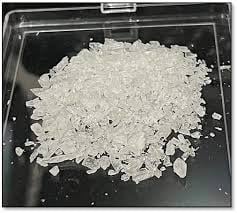
 Addictive street drug which gives the user a ‘rush’ with enhanced feelings of well-being, increased energy levels, heightened libido and appetite suppression.
There has been a rise in methamphetamine use disorder in the US, particularly in the Midwest where it is the leading cause of overdose deaths.
Methamphetamine use disorder (MUD) is a chronic, relapsing condition with no FDA-approved pharmacotherapy, though several off-label medications and behavioral interventions have demonstrated benefit.
Methamphetamine abuse is a chronic, relapsing brain disease characterized by compulsive drug-seeking and use despite severe harmful consequences.
Past-year methamphetamine use among US adults increased 43% from 2015 to 2019 (1.4 million to 2.0 million), with the number of adults meeting criteria for MUD rising 62% (672,000 to ~1.1 million) over the same period.
Among those reporting past-year methamphetamine use, approximately 53–55% meet criteria for MUD.
Overdose deaths involving psychostimulants other than cocaine nearly tripled from 5,526 in 2015 to 15,489 in 2019.
It leads to widespread physical, neurological, and psychiatric damage.
Risk factors include male sex, lower socioeconomic status, residence in small metro/nonmetro areas, co-occurring substance use, and mental illness.
Diagnosis follows DSM-5-TR criteria for stimulant use disorder: ≥2 of 11 criteria within a 12-month period, classified as mild (2–3 criteria), moderate (4–5), or severe (≥6).
Methamphetamine use alone is insufficient for diagnosis; uncontrolled use patterns with negative social or health consequences must be present.
Given that more than half of persons reporting past-year use have MUD, screening and formal diagnosis are critical first steps.
The transition from casual to compulsive use can be rapid—approximately 50 days from onset to first craving and 85 days to compulsive use.
Psychiatric comorbidity is common: ~36% of users report psychotic symptoms, and mood disorders (16%), psychotic disorders (13%), and anxiety disorders (7%) frequently coexist.
Medical complications include:
Cardiovascular Disease (Leading Cause of Death After Overdose)
Methamphetamine strongly affects the heart and blood vessels through catecholamine surge, vasoconstriction, oxidative stress, and direct toxicity.
Methamphetamine-associated cardiomyopathy (MACM): Dilated cardiomyopathy with reduced ejection fraction, heart failure, fibrosis, and arrhythmias.
Risk is significantly elevated (e.g., over 3x higher in some studies)
Cardiovascular: Cardiomyopathy, arrhythmias, myocardial infarction, aortic dissection, hemorrhagic stroke, pulmonary hypertension.
Hypertension, accelerated atherosclerosis, pulmonary hypertension, heart attacks, strokes, and aortic dissection.
Recovery of heart function is possible with abstinence and medical treatment in some cases, but damage can be permanent.
Neuropsychiatric: Psychosis (>30% of drug-induced psychotic episodes transition to schizophrenia), cognitive impairment, 1.5–3-fold increased Parkinson disease risk.
Methamphetamine-induced psychosis: Paranoia, hallucinations (visual/auditory), delusions:Can persist for months or years even after stopping use; resembles schizophrenia in some cases.
Cognitive deficits: Memory loss, impaired executive function, decision-making problems. similar to traumatic brain injury effects.
Anxiety, depression, mood disorders, aggression, and violence.
Structural brain changes: Dopamine system damage, reduced gray matter in areas controlling reward, emotion, and cognition.
Infectious: HIV, hepatitis B/C, STIs, endocarditis, especially with injection use) 
Other: Dental disease (meth mouth), malnutrition, traumatic injury 
Oral and Dental Disease (“Meth Mouth”) Severe tooth decay, gum disease, tooth loss due to dry mouth (xerostomia), bruxism (teeth grinding), poor hygiene, and high sugar intake during binges.
Other Systemic Effects Extreme weight loss and malnutrition. Skin sores (“meth sores”) from picking at perceived bugs under the skin. Liver, kidney, and lung damage. Increased risk of infectious diseases (HIV, hepatitis) from injection or risky behaviors. Hyperthermia, seizures, and acute overdose. Withdrawal involves intense fatigue, depression, hypersomnia, and cravings that can last weeks to months.
Chronic methamphetamine use suppresses appetite and alters sensory processing/reward pathways, which can indirectly interact with fat taste perception mechanisms like CD36.
Treatment: Contingency management has the strongest evidence and receives a strong recommendation:In one trial, 16-week abstinence rates were 34.5% with contingency management vs 3.4% with standard psychosocial treatment. 
Additional recommended psychosocial treatments include: Cognitive behavioral therapy Structured multicomponent therapy Community reinforcement Exercise and behavioral activation also show preliminary benefit in reducing cravings and improving mood.  Pharmacotherapy
Methamphetamine use disorder (MUD) is a chronic, relapsing condition with no FDA-approved pharmacotherapy, though several off-label medications and behavioral interventions have demonstrated benefit.
Naltrexone + bupropion — The ADAPT-2 trial (n=403) demonstrated that extended-release injectable naltrexone (380 mg q3 weeks) plus oral extended-release bupropion (450 mg/day) for 12 weeks yielded ≥3 methamphetamine-negative urine samples in 13.6% vs 2.5% with placebo.
Naltrexone + bupropion has is the combination with the strongest trial evidence. Adverse effects include GI symptoms, tremor, malaise, hyperhidrosis, and anorexia. 
Bupropion alone — May benefit lighter users, using ≤50% of days, but did not show benefit in heavier users.
Mirtazapine (30 mg/day) — Two small trials showed modest reductions in methamphetamine-positive urine results.
Topiramate — Very modest efficacy for methamphetamine; requires slow titration. 
Psychostimulants (methylphenidate, mixed amphetamine salts) — Preliminary evidence; recommended only when prescribed by addiction medicine/psychiatry specialists. 
Consider dual-benefit medications that also address co-occurring conditions: bupropion or mirtazapine for depression, bupropion for smoking, topiramate or naltrexone for alcohol use disorder, and stimulants for comorbid ADHD. 
Methamphetamine withdrawal typically begins within hours of last use, peaks at ~72 hours, and lasts days to weeks. 
Symptoms include dysphoria, fatigue, insomnia or hypersomnia, vivid dreams, increased appetite, and psychomotor changes.
 Management is primarily supportive: ensuring access to food, minimizing sleep interruptions, treating insomnia and agitation symptomatically, and creating a calm environment.
 No pharmacotherapy has been proven effective specifically for withdrawal, though mirtazapine and bupropion may help alleviate symptoms.
Associated with state of euphoria, agitation, anxiety, violence, mood irregularities, psychosis and depression.
Abuse of a variety of forms has reached epidemic proportions in the U.S.
It is sold in crystal or powder forms, is usually smoked, with less common routes-injection (less than 25%), snorting, oral, ingestion, and rectal insertion.
Approximately 2.6 million people used methamphetamine in 2023
More than 50% of methamphetamine deaths involve opioids.
Methamphetamine use is more common among males, sexual or gender minorities, those experiencing homelessness, and those with occurring substance use of cannabis, fentanyl, cocaine, benzodiazepines, tobacco, and alcohol.
Less expensive than cocaine, but stimulant effect is longer lasting.
Acute methamphetamine toxicity can cause chest pain, palpitations, hypertension, hyperthermia, impulsivity, psychosis, and delirium.
Severe toxicity includes:stroke, kidney injury, myocardial infarction, aortic dissection, cardiac arrhythmias, suicide, and traumatic injury.
The chronic use of methamphetamine increases the risk of cardiovascular disease, neuropsychiatric conditions – schizophrenia, Parkinson’s disease, cognitive impairment, sexually transmitted infections, poor nutrition, and poor dental health.
Injected amphetamine use,increases the risk of hepatitis B and C infections, HIV, endocarditis, and osteomyelitis.
Amphetamine withdrawal can occur with chronic use and typically begins with an hours of last dose, peaks at 72 hours and last four days two weeks.
Withdrawal symptoms include dysphoria, fatigue, insomnia, or hypersomnia, vivid dreams, increased appetite, and psychomotor retardation, or activation.
When mood and energy effects wear off, users become restless, anxious, irritable, fatigue and dysphoric, temporary relief with improved symptoms by further use of methamphetamines and reinforcement of addiction.
Production yields toxic waste of acids, lye, phosphorus and fine particulate matter which contaminate the environment.
Production requires inflammable ingredients leading to fires and explosions.
Patients with methamphetamine related burns have a higher mortality rate than matched-aged controls not exposed to amphetamines.
Methamphetamine is associated with degeneration of dopaminergic neurons, resulting in an increased risk for Parkinson’s disease.
Phosphine is a by-product of methamphetamine cooking and can cause multiple organ system damage by inhibiting cytochrome C oxidase, with the generation of free radicals.
Phosphine exposure can cause ocular, and respiratory damage with shortness of breath, nausea, headache and abdominal pain.
Phosphine exposure can lead to severe lung and cardiac damage with respiratory and cardiovascular failure.