 A postpartum infection is any bacterial infection of the reproductive tract or surrounding tissues that occurs after childbirth or miscarriage, typically developing within the first 6 weeks postpartum, although most commonly within the first 10 days.
They affect an estimated 5–7% of patients and remain an important cause of maternal morbidity and a contributor to pregnancy-related mortality.
Infection remains one of the leading causes of pregnancy-related mortality in many settings, with a substantial proportion of sepsis-related deaths considered preventable.
In the US nearly 1/3 of births occur by cesarean delivery, which is the most important risk factor for postpartum infection.
Overall infection rates after cesarean delivery range from 10% to 20%, and are nearly 2 fold higher in persons undergoing unscheduled cesarean delivery compared with those undergoing scheduled cesarean delivery.
Incidence is higher after cesarean delivery than vaginal birth (historically ~5–10× higher for endometritis without prophylaxis; modern rates are lower with antibiotic prophylaxis).
In 2024 there were more than 1 million births with cesarean delivery and approximately 30% were unscheduled (after a trial of labor).
Common Types of Postpartum Infections
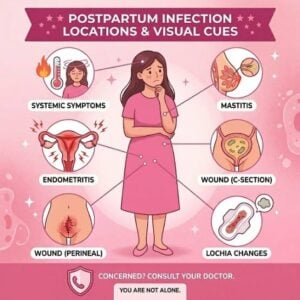
Endometritis: An infection of the lining and muscle of the uterus, which is the most common form of postpartum uterine infection.
Endometritis/endomyometritis: Infection of the decidua that can extend into the myometrium and beyond.
Endometritis typically presents with: Fever, uterine/fundal tenderness, abdominal or pelvic pain. Foul-smelling or abnormal lochia (may be increased, decreased, or bloody). Malaise, tachycardia, leukocytosis.
Wound Infections: Infections at a Cesarean section incision site, episiotomy site, or perineal tear/laceration.
Mastitis: An infection or inflammation of the breast tissue, often linked to milk duct blockages or bacteria entering during breastfeeding. Mastitis features breast erythema, pain, fever, and flu-like symptoms.
Urinary Tract Infections (UTIs): Infections of the bladder or kidneys, frequently triggered by labor catheters, pelvic pressure, or incomplete bladder emptying.
Septic Pelvic Phlebitis (SPT): A rare, serious complication involving blood clots and inflammation in the pelvic veins, pelvic abscess, necrotizing soft-tissue infection, or sepsis.
Persistent fever despite appropriate antibiotics raises concern for septic pelvic thrombophlebitis, abscess, or other complications.
Postpartum infection signs often include: A fever of 100.4°F (38°C) or higher (especially if it persists past the first 24 hours or for multiple days)
Chills, severe fatigue, or flu-like body aches
Worsening or severe lower abdominal or pelvic pain
Foul-smelling or unusual vaginal discharge (lochia)
Heavy or persistent vaginal bleeding with large clots
Redness, swelling, warmth, pus, or separation at a C-section or perineal wound site
Painful, burning, or frequent urination
Painful, red, or swollen areas on the breast
Risk Factors
Cesarean delivery (especially an unplanned C-section performed after labor has started).
Prolonged labor or premature rupture of the membranes, water breaking more than 18 hours before delivery.
Multiple vaginal examinations during labor.
Retained placental fragments or excessive postpartum bleeding
Pre-existing conditions like bacterial vaginosis, diabetes, anemia, or obesity, GBS infection.
Other factors: young age, low socioeconomic status, postpartum hemorrhage.
Microbiology Typically polymicrobial, involving vaginal and gastrointestinal flora (aerobes + anaerobes).
Common isolates include group B Streptococcus, E. coli, Enterococcus, Bacteroides/Prevotella, Gardnerella, and others. Genital mycoplasmas are frequently recovered.
Diagnosis:
Primarily clinical.
Evaluate for alternative sources (wound, UTI, mastitis, pneumonia, etc.).
Laboratory evaluation often includes CBC; blood and urine cultures as indicated.
Endometrial cultures are not routinely required.
Imaging (ultrasound or CT) is used when retained products, abscess, or other complications are suspected or when fever persists beyond 48–72 hours of antibiotics.
Treatment:
Antibiotics: Most localized or uterine infections are treated effectively with oral or intravenous (IV) antibiotics that are safe while breastfeeding.
Empiric broad-spectrum intravenous antibiotics covering aerobes and anaerobes are the mainstay for endometritis and moderate-to-severe infections.
A standard first-line regimen is clindamycin 900 mg IV every 8 hours + gentamicin (e.g., 1.5 mg/kg every 8 hours or 5 mg/kg once daily).
Ampicillin is often added if enterococcus is suspected or response is delayed.
Continue IV therapy until the patient is afebrile (and improved) for 24–48 hours; oral step-down is frequently unnecessary for uncomplicated cases.
Mild cases or certain settings may allow oral or alternative regimens (e.g., amoxicillin-clavulanate in some guidelines).
Wound Care: For incision or perineal infections, treatment may involve opening and draining the wound, frequent cleaning, and specialized dressings.
Supportive Care: Rest, hydration, and pain relievers (such as ibuprofen or acetaminophen) help manage symptoms.
For mastitis, continuing to empty the breast via nursing or pumping is typically recommended.
Emergency Care: Left untreated, infections can escalate rapidly into severe sepsis or septic shock.
Requires immediate emergency medical attention.
Adjust based on allergies, local resistance, culture results, and severity.
Source control (drainage of abscess, debridement of necrotizing infection, evacuation of retained products) is essential when indicated.
Supportive care and sepsis protocols apply for severe disease.
Prevention
Prophylactic antibiotics for all cesarean deliveries-typically cefazolin before incision; adjunctive azithromycin has been shown to reduce postpartum infections after unscheduled cesareans and has seen increased uptake with corresponding declines in infection rates.
Vaginal preparation with antiseptic (povidone-iodine or chlorhexidine) before cesarean.
Minimizing unnecessary vaginal examinations and prolonged membrane rupture when possible.
Aseptic technique, appropriate catheter use, and management of comorbidities such as diabetes, obesity.
Prompt treatment of intrapartum intra-amniotic infection with timely recognition.
Delays increases risk of sepsis, abscess, infertility, or rarely death.