
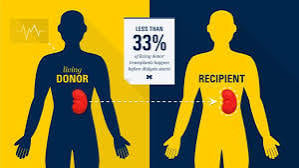
 A preemptive kidney transplant means receiving a transplant before starting dialysis — as kidney function declines toward end-stage renal disease, the transplant happens directly rather than after a period on dialysis.
Better long-term outcomes as patients who avoid dialysis altogether tend to have better graft and patient survival.
Avoids dialysis-related complications (vascular access issues, infections, cardiovascular strain).
Better quality of life and easier recovery
Often lower cost overall compared to a period of dialysis followed by transplant
Referral for evaluation typically starts when eGFR drops to around 20 mL/min/1.73m² or lower.
Can come from a living donor (family member, friend, or paired exchange) or, less commonly, a deceased donor if a well-matched organ becomes available in time.
Living donor preemptive transplant is the most common path, since it allows scheduling before dialysis becomes necessary.
Deceased-donor preemptive transplants are harder to time given wait-list constraints, though some patients accrue waiting time credit once eGFR falls below a threshold
Requires early referral to a transplant center.
Needs a compatible living donor willing to proceed, or good timing with deceased-donor allocation.
The patient’s overall health and other conditions still need to be stable enough for surgery