
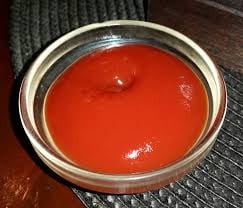
 Most conventional brands are high in added sugar and salt, which can offset the benefits you get from tomatoes’ lycopene.
High in added sugar — about 4g per tablespoon, roughly a teaspoon’s worth
High in sodium — around 150-190mg per tablespoon
Ketchup’s salt content can be significant for those watching blood pressure or overall sodium intake, especially when combined with other salty foods (fries, burgers, processed meats).
Easy to overuse
Made from tomatoes, so it contains some lycopene, an antioxidant linked to heart and prostate health — cooking tomatoes into paste/sauce actually increases lycopene availability
Low in calories per serving (about 15-20 calories per tablespoon
Fat-free
In small amounts (1-2 tablespoons), ketchup isn’t a health concern for most people.
The issues come from volume — using it liberally on fries, burgers, eggs, etc. can add up in sugar and sodium over a day.
Typical tomato ketchup is made from tomatoes, vinegar, sugar (or high‑fructose corn syrup), salt, and spices.
A standard 1‑tablespoon (17 g) serving usually provides roughly:
15–20 calories 4–5 g carbohydrates, mostly sugar (around 3–4 g added sugar) 150–190 mg sodium (about 6–8% of the daily value) Trace fat and protein
Because people often use more than one tablespoon, the sugar and sodium can add up quickly.
Tomatoes are rich in lycopene, a carotenoid antioxidant linked to several health benefits:
Acts as an antioxidant, helping protect cells from oxidative damage.
Associated in observational studies with lower risk of some cancers (e.g., stomach/prostate) and cardiovascular disease when consumed as part of a tomato‑rich diet.
Processed tomato products (like ketchup, paste, and sauce) often have higher lycopene concentrations per gram than fresh tomatoes because water is removed during processing.
Some research even suggests tomato‑based products, including ketchup, may improve markers related to insulin resistance and metabolic health in animal and cell studies, likely due to lycopene and other tomato compounds.
These benefits are tied to overall tomato intake and diet quality, not to eating large amounts of sugary ketchup.
As a concentrated tomato product, ketchup is acidic and can worsen symptoms in people with acid reflux, GERD, or sensitive stomachs.