
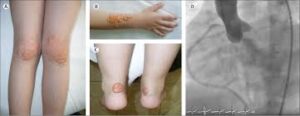
 Childhood hypercholesterolemia refers to elevated cholesterol levels in children and adolescents.
It can lead to cardiovascular disease later in life.
Familial hypercholesterolemia (FH) is an inherited disorder causing very high LDL cholesterol from birth.
Can be heterozygous (one gene mutation, affects about 1 in 250-500 people) or homozygous (two mutations, much rarer and more severe).
Children often have LDL levels above 190 mg/dL.
Secondary (Acquired) Hypercholesterolemia:from obesity, poor diet, sedentary lifestyle, or underlying conditions like diabetes, hypothyroidism, or kidney disease
The American Academy of Pediatrics recommends:
Universal screening between ages 9-11 and again at 17-21 Earlier screening (after age 2) if there’s a family history of high cholesterol or early heart disease
Treatment typically starts with lifestyle modifications including a heart-healthy diet by limiting saturated fats and trans fats, regular physical activity, and maintaining a healthy weight.
For children with severe familial hypercholesterolemia or those who don’t respond adequately to lifestyle changes, medications like statins may be considered, typically after age 10.
Early identification and management can significantly reduce lifetime cardiovascular risk.