
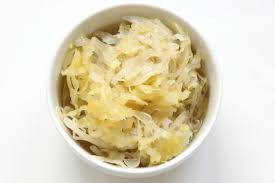
 Sauerkraut is finely cut, fermented cabbage with a distinctive sour flavor, that is low in calories, relatively high in fiber and micronutrients, and, when unpasteurized, provides live lactic acid bacteria (Lactobacillus spp) with potential gut and immune benefits.
Main ingredients are finely shredded white or green cabbage plus salt, fermented by lactic acid bacteria (eg, Lactobacillus spp.)
It has significant probiotic and nutritional benefits.
Its health impact depends heavily on the type (raw vs canned/pasteurized), portion size, and a person’s sodium sensitivity or GI conditions.
It is a traditional food in many cultures, especially in Central Europe and among Ashkenazi Jews, and is enjoyed both as a condiment and a main ingredient in various dishes.
Traditional sauerkraut is made through a process of lactic acid fermentation using just shredded cabbage and non-iodized salt.
The naturally present Lactobacillus bacteria on the cabbage leaves convert its sugars into lactic acid, which gives sauerkraut its sour taste, acts as a natural preservative, and prevents the growth of harmful bacteria.
The process generally involves discarding the outer leaves, rinsing, coring, and finely shredding the cabbage.
Combining the shredded cabbage with a precise amount of salt (around 2% by weight) and massaging it to draw out the natural juices to form a brine.
Fermentation: Packing the salted cabbage tightly and ensuring it is fully submerged under its own brine, and then allowing gases to escape over several days to several weeks promoting fermentation.
The more developed and sour the flavor becomes.
Health Benefits:
Sauerkraut is considered a superfood due to its beneficial microbes (probiotics) and nutrients it contains.
Rich in fiber and probiotics, it helps promote a healthy gut microbiome, aids digestion, and can alleviate symptoms of constipation, gas, and bloating associated with conditions like IBS.
Fiber and low energy density can promote satiety and support weight management when sauerkraut replaces more calorie‑dense sides.
Sauerkraut balances gut flora and provides high levels of Vitamin C, strengthening immune function.
Vitamin K2 in traditionally fermented sauerkraut may help direct calcium into bone rather than arteries, with observational data linking higher K2 intake to lower cardiovascular risk, though this is not sauerkraut‑specific.
Enhanced Brain Health: The gut-brain connection suggests that the probiotics in sauerkraut may help improve mood, memory, and manage stress and anxiety levels.
Disease Prevention: It contains antioxidants and plant compounds like sulforaphane, indole-3 carbinol, and vitamin K2, which may help reduce inflammation and lower the risk of certain diseases, including heart disease and some cancers.
Culinary Uses Sauerkraut is versatile and used in numerous dishes worldwide.
Shelf-stable, canned versions have been heat-treated and lose their probiotic properties.
Typical 1 cup (≈140 g) serving of sauerkraut provides roughly: 25–30 kcal, ~4 g fiber, ~6 g carbohydrate, ~1 g protein, negligible fat, and very little sugar.
Sauerkraut Is relatively high in sodium: depending on brand and serving size, ~200–900 mg per ½–1 cup, which is a key constraint in hypertension and heart failure.
Provides vitamin C (~20 mg per cup), vitamin K (including K1 and some K2 in fermented products), B vitamins, and minerals such as iron, magnesium, and manganese.
Fermentation preserves and can increase bioavailability of certain phytochemicals like sulforaphane and indole-3-carbinol, which have antioxidant and potential anticancer and anti‑inflammatory properties.
Contains organic acids (lactic acid) and fermentation-derived enzymes that may aid digestion of carbohydrates and other foods eaten with it.
Raw, unpasteurized sauerkraut can contain live lactic acid bacteria that act as probiotics, helping diversify gut microbiota and supporting barrier integrity.
Studies suggest fermented cabbage preparations can help maintain intestinal epithelial integrity and may reduce inflammation-related damage compared with raw cabbage alone.
Clinically, many report improved bowel regularity and reduced bloating or constipation.
Gut–immune crosstalk plus vitamin C and iron support normal immune function and may slightly reduce risk or duration of common infections in when fermented foods are eaten regularly.
Vitamin K2 in traditionally fermented sauerkraut may help direct calcium into bone rather than arteries, with observational data linking higher K2 intake to lower cardiovascular risk, though this is not sauerkraut‑specific.
Risks and practical use:
Main concern is sodium; frequent large servings can be problematic in hypertension, CKD, cirrhosis, or heart failure, so portions often need to be small or occasional.
Some people experience gas or GI discomfort when introducing fermented foods; gradual introduction can mitigate this.
For a generally healthy adult without sodium restrictions, moderate daily amounts of raw sauerkraut (a few forkfuls to ~½ cup) can be a useful adjunct for fiber, micronutrients, and live cultures, alongside a varied plant‑forward diet.