 Relaxation triggers the parasympathetic nervous system as the rest and digest response, which counters stress by:
Lowering heart rate and blood pressure Reducing cortisol and other stress hormones Improving digestion and immune function Allowing muscles to release tension
Mentally and emotionally, relaxation helps by: Improving focus and decision-making ability Reducing anxiety and mental fatigue Enhancing mood and emotional regulation Supporting better sleep quality
For relaxation to be effective, it needs to do be intentionally and regular.
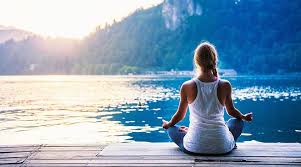
Restorative benefits as activities like deep breathing, meditation, spending time in nature, or engaging in hobbies you genuinely enjoy.
Different relaxation techniques work better for different people.
Evidence-based relaxation techniques help reduce stress, anxiety, and tension work by activating the body’s “relaxation response”—a state that counters the fight-or-flight stress reaction by lowering heart rate, blood pressure, and cortisol levels.
Practicing relaxation techniques for 10–20 minutes daily yields the best results, though benefits can start immediately.
Deep Breathing Exercises Inhale quietly through your nose for 4 seconds, hold for 7 seconds, then exhale through your mouth for 8 seconds. Repeat 4–6 cycles. This activates the parasympathetic nervous system to lower heart rate and cortisol.
Progressive Muscle Relaxation (PMR)
Tensing and then slowly releasing different muscle groups to release physical tension and promote awareness of relaxation.
Starting from the toes and working up to the face.
Studies show muscle relaxation techniques reduces cortisol and improves sleep when practiced regularly.
Tensing a muscle group (e.g., fists) for 5 seconds, then release for 10–20 seconds while breathing deeply: sequentially for 15–20 minutes.
Guided Imagery or visualization by mentally escaping to a peaceful scene using all senses to distract from stress: it is effective for pain, anxiety, and postsurgical recovery.
Mindfulness Meditation Observe thoughts without judgment, often focusing on the present moment or breath: It lowers anxiety and depression symptoms in adolescents and adults alike.
Autogenic Training Repeat phrases to create sensations of warmth and heaviness in the body.
This self-hypnosis-like method reduces stress hormones.
Body Scanning-Mentally scan the body from head to toe, noticing and releasing tension.
Yoga or Tai Chi
Combine gentle movement, breathing, and focus.
Yoga reduces cortisol with consistent practice.
Tai chi emphasizes slow, flowing motions for balance and calm.
Listening to Calming Music
Quick mini-relaxations: Count down from 10 with deep breaths, or repeat “I am at peace” on exhales.
Combine techniques (e.g., breathing + imagery) for better results.
Progressive Muscle Relaxation (PMR) Tense a muscle group for 5 seconds, then release for 10–15 seconds while noticing the contrast.
Move systematically from toes to head. Ideal for physical tension release.
Guided Imagery Close your eyes and visualize a peaceful scene.
Engage all senses: hear waves, feel sand, smell salt air.
Mindfulness Meditation Autogenic Training Body Scan Lie down and mentally scan from head to toe, noting sensations without changing them.
Spend 20–30 seconds per area. Great for bedtime to ease insomnia.
Gentle Yoga or Tai Chi Flow through simple poses or slow Tai Chi movements, syncing breath with motion.
Calming Music or Nature Sounds
Combine techniques for enhanced effect.