
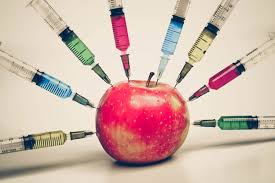
 The Chemical Nature of Food
Food is far more than calories and vitamins; it contains a vast array of chemical substances with profound health implications.
Every food item is made up of chemicals—water, proteins, carbohydrates, fats, vitamins, and minerals—all of which are molecular compounds that nourish the body. Naturally, foods contain thousands of compounds that provide flavor, color, texture, and nutritional value. Many of these molecules can regulate human and microbial protein activity. More than 139,000 distinct chemicals have been identified in foods, and about 2,000 of them are also used as therapeutic drugs.
Bioactive and Secondary Food Compounds
Beyond essential nutrients, foods contain numerous secondary molecules once thought to be inert.
However, these compounds can interact with central metabolic pathways, bind to specific proteins, influence gene expression, alter gut microbiota composition, and regulate diverse cellular processes.
In many ways, such molecules function more like pharmaceuticals than simple nutrients.
Manufacturers incorporate additional chemicals to maintain quality and appeal. These include: • Preservatives to prevent spoilage. • Colorings to enhance appearance. • Flavorings to improve taste. • Emulsifiers to blend ingredients. • Sweeteners as sugar alternatives. • Thickeners and stabilizers for texture and consistency.
Regulatory agencies maintain that approved additives are safe at prescribed levels for the general population, although some individuals may exhibit sensitivities to specific substances.
Major Chemical Categories in Food Macronutrients form the bulk of our diet: • Carbohydrates are chains of sugar molecules such as glucose and fructose. • Proteins are polymers of amino acids linked by peptide bonds. • Fats are triglycerides composed of glycerol and fatty acids.
Micronutrients include: • Vitamins, organic molecules serving as cofactors or antioxidants (e.g., vitamin C, B vitamins). • Minerals, inorganic elements such as calcium, zinc, and iron essential for biochemical reactions. Water, which comprises most foods (50–90%), is vital for nearly all biological processes.
Flavor Molecules and Natural Compounds Many secondary compounds create the sensory and functional diversity of foods.
Capsaicin gives peppers their heat; anthocyanins color berries; caffeine stimulates the nervous system.
These bioactive molecules, though not essential nutrients, can significantly influence physiology and health.
Cooking, fermentation, and processing profoundly reshape food chemistry.
Heat denatures proteins, caramelizes sugars, and drives the Maillard reaction, creating hundreds of new flavor molecules.
Even simple foods like bread or roasted coffee owe their complexity to such chemical reactions.
Individual foods contain hundreds to thousands of distinct chemical constituents:
• Apples: over 300 identified compounds. • Tomatoes: around 400. • Chocolate: more than 600. • Coffee: above 800. • Wine: over 1,000.
Altogether, human diets expose us to an estimated 25,000–80,000 different naturally occurring food chemicals.
Many remain uncharacterized, and new ones continue to be discovered as analytical technologies improve.
Food is chemistry in its most tangible form. From a simple apple to a complex prepared dish, each bite delivers an intricate mixture of organic and inorganic molecules.
The vast majority are safe, many are beneficial, and together they shape the nutritional, sensory, and biochemical experience of eating.