
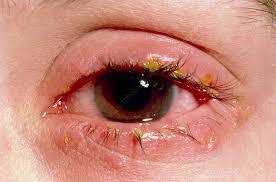
 Herpes Simplex Virus (HSV) blepharitis is an infection of the eyelids caused by the herpes simplex virus, usually type 1 (HSV-1).
HSV blepharitis is an acute inflammation that typically presents with characteristic symptoms and can be associated with other serious ocular conditions, such as keratitis, which may lead to vision loss.
It relates to the reactivation of a virus within the sensory territory of the infraorbital branch of the maxillary division of the trigeminal nerve.
It usually affects only one eye and presents in two main forms: Vesicular form: The classic presentation involves an acute onset of eyelid swelling, erythema, and tenderness, followed by a cluster of small, fluid-filled blisters (vesicles) or pustules along the eyelid margin or surrounding skin.
These lesions eventually crust over and heal within two to three weeks.
The erosive-ulcerative form is characterized by the presence of erosions or ulcers along the eyelid margin without prominent vesicles, often made visible by staining with fluorescein dye.
Other common symptoms: watery eye discharge, itching or burning sensation, swollen regional lymph nodes, and sometimes mechanical drooping of the eyelid.
Diagnosis is typically made clinically based on the characteristic signs and symptoms, particularly the presence of vesicles or typical dendritic ulcers if the cornea is involved.
Laboratory tests, such as an indirect immunofluorescence technique, can confirm the presence of the virus. Treatment:
Treatment for primary HSV blepharitis is often supportive, as most cases are self-limiting and resolve on their own.
Treatment modalities may include: Antiviral ointments or oral medications used to treat the active infection, especially if the cornea is involved, and help prevent recurrence.
Antibiotic ointments can be used to prevent or treat secondary bacterial infections of the lesions.
Corticosteroids are contraindicated for active epithelial defects caused by HSV, as they can worsen the condition.