
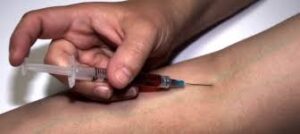
 Injection drug use refers to the act of administering drugs directly into the body using a needle and syringe, most commonly into a vein, but also potentially into muscles or under the skin.
Injection drug use is primarily associated with illicit substances such as heroin, methamphetamine, cocaine, and prescription opioids.
The specific drugs and patterns of use vary by region and population.
People who inject drugs (PWID) are at high risk for a range of adverse health outcomes, including overdose, transmission of blood-borne infections-notably HIV, hepatitis B, and hepatitis C, and various bacterial and fungal infections due to non-sterile injection practices.
Injection drug use is a major driver of morbidity and mortality, and is associated with high rates of comorbid substance use, psychiatric disorders, and social instability.
Health Risks of injected drugs:
Infectious diseases: HIV, hepatitis B and C, bacterial infections Vein damage-Collapsed veins, abscesses, blood clots Overdose risk-Particularly with opioids like heroin and fentanyl Endocarditis Systemic infections-Sepsis, bone infections
Globally, an estimated 14–16 million people inject drugs, with significant variation in prevalence and associated harms across countries.
The motivations for injection drug use include seeking rapid and intense drug effects, relief from withdrawal, and social or psychological factors.
People who ingest inject drugs or increased risk of viral infections, including HIV, hepatitis, hepatitis B, hepatitis C, and hepatitis D virus.
The transmission risk per intravenous exposure is estimated at 0.67%, with about 7% of HIV cases attributed to injection drug use.
Injection drug use is reported in about 52% of acute HCV infections.
About 24% of US patients with acute HBV infection are associated with injection drug use.