
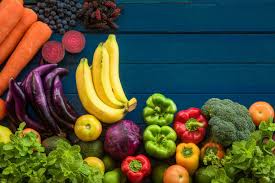
 Phytochemicals are naturally occurring chemicals present in or extracted from plants.
Some phytochemicals are nutrients for the plant, while others are metabolites produced to enhance plant survivability and reproduction.
Phytochemicals are chemicals produced by plants and generally have biological activity in the plant host and play a role in plant growth or defense against competitors, pathogens, or predators.
Eating a variety of colorful plant foods — fruits, vegetables, legumes, herbs, teas, and whole grains — ensures a broad range of phytochemicals.
Phytochemicals without a nutrient definition have no confirmed biological activities or proven health benefits when consumed in plant foods.
Once phytochemicals in a food enter the digestion process, the fate of individual phytochemicals in the body is unknown due to extensive metabolism of the food in the gastrointestinal tract.
Phytochemical metabolites with different biological properties from those of the parent compound that may have been tested in vitro.
Further, the bioavailability of many phytochemical metabolites appears to be low, as they are rapidly excreted from the body within minutes.
Phytochemicals are naturally occurring chemical compounds found in plants (“phyto” means plant). They are not essential nutrients like vitamins or minerals, but they have many protective and health-promoting effects in humans.
Other than for dietary fiber, no non-nutrient phytochemicals have sufficient scientific evidence for providing a health benefit.
Some ingested phytochemicals may be toxic, and some may be used in cosmetics, drug discovery, or traditional medicine.
Phytochemicals make up the whole plant as it exists in nature.
Proof of their possible health effects has not been established yet.
Phytochemicals can be classified into major categories, such as carotenoids and polyphenols, which include phenolic acids, flavonoids, stilbenes or lignans.
Flavonoids can be further divided into groups based on their similar chemical structure, such as anthocyanins, flavones, flavanones, isoflavones, and flavanols.
Flavanols are further classified as catechins, epicatechins, and proanthocyanidins.
Between 50,000 and 130,000 phytochemicals have been discovered.
Challenges in that field of phytochemical study include isolating specific compounds and determining their structures, which are often complex, and identifying what specific phytochemical is primarily responsible for any given biological activity.
The fate of individual phytochemicals in the body is unknown due to extensive metabolism in the gastrointestinal tract, producing smaller phytochemical metabolites with different biological properties from those of the parent compound, and with low bioavailability and rapid excretion.
Other than for dietary fiber, no non-nutrient phytochemical has sufficient scientific evidence in humans for an approved health claim.
Salicin, having anti-inflammatory and pain-relieving properties, was originally extracted from the bark of the white willow tree and later synthetically produced to become the common, over-the-counter drug, aspirin.
The biological activities for most phytochemicals are unknown or poorly understood, in isolation or as part of foods.
Phytochemicals with established roles in the body are classified as essential nutrients.
The phytochemical category includes compounds recognized as essential nutrients, which are naturally contained in plants and are required for normal physiological functions, so must be obtained from the diet in humans.
Some phytochemicals are known phytotoxins that are toxic to humans.
Some phytochemicals are antinutrients that interfere with the absorption of nutrients.
Others, such as some polyphenols and flavonoids, may be pro-oxidants in high ingested amounts.
Non-digestible dietary fibers from plant foods, often considered as a phytochemical, are generally regarded as a nutrient group having approved health claims for reducing the risk of some types of cancer and coronary heart disease.
Phytochemical dietary supplements are neither recommended by health authorities for improving health nor are they approved by regulatory agencies for health claims on product labels.
Systematic reviews and/or meta-analyses indicate weak or no evidence for phytochemicals from plant food consumption having an effect on breast, lung, or bladder cancers.
Phytochemicals, such as polyphenols, have been specifically discouraged from food because there is no evidence for a cause-and-effect relationship between dietary polyphenols and inhibition or prevention of any disease.
Among carotenoids such as the tomato phytochemical, lycopene, the US Food and Drug Administration found insufficient evidence for its effects on any of several cancer types.
Phytochemicals in freshly harvested plant foods may be degraded by processing techniques, including cooking.
The main cause of phytochemical loss from cooking is thermal decomposition.
Conversely in the case of carotenoids, such as lycopene present in tomatoes, which may remain stable or increase in content from cooking due to liberation from cellular membranes in the cooked food.
Food processing techniques like mechanical processing can also free carotenoids and other phytochemicals from the food matrix, increasing dietary intake.
In some cases, processing of food is necessary to remove phytotoxins or antinutrients: (cassava) involves some processing (soaking, cooking, fermentation), which are necessary to avoid illness from cyanogenic glycosides present in unprocessed cassava.
Phytochemicals are bioactive compounds produced by plants to help them resist fungi, bacteria, and predators.
When consumed, these compounds can benefit human health by reducing inflammation, preventing cell damage, and supporting immune and metabolic functions.
Flavonoids Quercetin, catechins, anthocyanins Berries, onions, tea, citrus fruits Antioxidant, anti-inflammatory, heart health
Carotenoids Beta-carotene, lycopene, lutein Carrots, tomatoes, spinach, sweet potatoes Eye health, immune support, reduced cancer risk
Glucosinolates Sulforaphane, indole-3-carbinol Broccoli, cabbage, kale Detoxification, anti-cancer effects
Phenolic acids Caffeic acid, ferulic acid Coffee, whole grains, fruits Antioxidant, anti-inflammatory
Saponins Diosgenin, soyasaponins Legumes, soy, quinoa Cholesterol reduction, immune modulation
Phytoestrogens Isoflavones, lignans Soy, flaxseed, whole grains Hormone balance, bone health, menopause relief
Terpenes Limonene, menthol Citrus peel, mint, herbs Antioxidant, antimicrobial, anti-inflammatory
Alkaloids
Caffeine, capsaicin Coffee, tea, chili peppers Stimulant, pain relief, metabolism boost
Antioxidant activity → protects cells from oxidative damage Anti-inflammatory → reduces chronic inflammation Cancer prevention → inhibits tumor growth and DNA damage Cardiovascular benefits → improves blood vessel health and cholesterol levels Metabolic support → regulates blood sugar and fat metabolism Immune enhancement → supports body defenses