
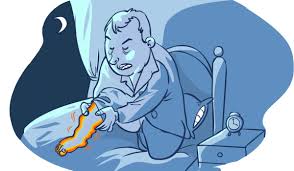
 A neurological disorder diagnosed on the patient’s description of leg discomfort and urge to move the legs when at rest to relieve symptoms.
It is characterized by an overwhelming urge to move the limbs, typically the legs, often accompanied by unpleasant, limb, sensations of achiness and tingling.
Symptoms are provoked by immobility and relieved while moving annd are typically present or most severe in the evenings/night.
RLS symptoms may lead to difficulty, falling asleep, staying asleep, or returning to sleep.
Approximately 8% of US adults experience RLS symptoms of any frequency annually and 3% experience, moderate to severe distressing symptoms at least twice weekly.
Incidence 3% age 18-29, 10% age 30-79 and 19% over 80 years.
Prevalence of bothersome RLS ranges from 1 1/2 to 7. 4% in adults.
Associated with advancing age, body mass index, lower income, smoking, lack of exercise and diabetes.
Higher incidence among women.
Urge to move the legs and usually associated with limb discomfort.
Symptoms occur during rest and is worse at night.
Impairs daytime activity and reduces the quality of life leading to medical and psychiatric comorbidity and increases mortality.
Involves sensory and motor elements.
Distressing sensory urge during rest or sleep that often delays onset of sleep.
Sleep disruption can lead to poor daytime functioning, anxiety, fatigue, and depression.
Often interrupts sleep with involuntary, stereotypical and regularly occurring limb movements, referred to as periodic limb movements.
Usually associated with involuntary periodic contractions of the legs during sleep.
Probably a central brain or spinal disorder rather than a disorder of the peripheral nerves.
Mild reduction in brain dopamine, although not as significant as in Parkinson disease.
RLS is associated with decreased brain iron as measured by MRI and with absolute iron deficiency with or without anemia.
It’s pathophysiology likely involves several factors, including: abnormal iron metabolism, genetic prredisposition and increased dopaminergic activity in the brain.
Low brain iron levels may relate to dysfunction at the blood brain barrier, with all the expression of iron transport proteins in both the brain microvascular and choroid plexus.
There is a strong evidence for a genetic predisposition with approximately half of patients with idiopathic RLS have a first-degree family history.
Restless leg syndrome hereditability of up to 70% has been estimated according to twin studies with an autosomal dominant pattern.
164 risk loci have been identified and the single nucleotide variation based hereditability of RLS is estimated to be 20%.
Important genes linked to RLS included MEIS1, which plays a role in nervous system and limb development that is strongly associated with within insomnia symptoms and BTBD9, which may play a role in iron homeostasis.
Patients with RLS have increased presynaptic presynaptic dopaminegic activity, especially in the striatum.
Dopamine related cofactors, and metabolites in patients with RLS have greater morning to evening changes compared with controls, reflecting the evening or nighttime predominance of symptoms.
Endigenous opioid deficiency may contribute to RLS symptoms.
Prevalence between 5-15%.
Approximately 2/3 of patients have onset of RLS symptoms before age 45, although most did not present for management until age 50 to 60 because of symptoms severity is often mild at presentation.
Approximately 10% of adults, age 65 or older have RLS.
0.1% incidence in Singapore, 2% in native Ecuadorans, 3.2% in Turkey, and 4.6% in elderly Japanese.
Can cause significant sleep problems.
Familial in about 50% of patients.
Family history very common among patients whose symptoms appear before age 40.
May be related to iron deficiency or renal insufficiency.
The prevalence of RLS in patients with iron deficiency is 4-5 times higher than in the general population which is about 7%.
There is a strong correlation between iron deficiency and the severity of RLS.
May be the only manifestation of iron deficiency and patients should have serum ferritin levels done, especially if there are clinical factors predisposing the patient to iron efficiency.
Iron deficiency associated with increased severity of symptoms.
Concentrations of iron and iron transport proteins are diminished in certain areas of the brain with this process.
Family history common in patients with onset below the age of 40 years.
Patients with onset after the age of 50 years more likely to have symptoms and signs of a neuropathic disease.
Must be distinguished from peripheral neuropathy.
Diagnostic criteria include: 1, An urge to move the legs usually accompanied by uncomfortable or unpleasant sensation in legs, 2, Unpleasant sensations or urge to move that begin to worsen during periods of rest or inactivity such as lying or sitting, 3, Unpleasant sensations or urge to move that are psrtly or totally relieved by walking, bending, and stretching, as long as the activity continues and,4, Unpleasant sensations or urge to move worse in the evening or night.
Distinguished from peripheral neuropathy by the constancy of the latter throughout the day, and by not being relieved by moving of the legs.
An autosomal dominance mode of inheritance suggested with susceptibility focus on chromosome 12q.
Symptoms can progress to the trunk or arms.
The more comfortable a patient is the more likely they will have symptoms.
Movement brings immediate relief of symptoms.
Symptoms are usually deep seated and located in the calves, lower legs, and bilateral in most cases.
Symptoms worse later in the day and evenings, with the worst problems 15-30 minutes after the patient gets into bed.
Symptoms begin at night but may progress to daytime problems.
In severe cases may occur with prolonged sitting during the day.
Occurs in 20% of women during pregnancy.
Occurs in 20-62% of patients undergoing dialysis.
Symptoms of restless leg syndrome are not cramps since the latter is associated with knotting of a muscle and localized muscle pain.
May coexist with arthritis and neuropathy and these clinical conditions may aggravate each other.
For a patient with severe RLS relief is only partial and symptoms may present throughout the day, making nighttime worsening of symptoms less apparent.
Symptoms of RLS are most commonly bilateral in calves or thighs, but can occur unilaterally in the feet, and even in the torso or upper extremities.
In moderate to severe cases, it may be almost impossible to remain immobile.
Overnight sleep deprivation, worsens RLS symptoms throughout the day.
RLS vary in symptom severity and it’s frequency.
Severe RLS is more likely to manifest chronic symptoms, where is mild restless leg syndrome will show a remission of symptoms or transient symptoms.
Patients generally have sleep disturbance and consequences of lowered sleep with daytime sleepiness.
Relationships between restless leg syndrome and cardiovascular diseases or mortality has been found to be stronger in patients with restless leg syndrome.
RLS prevalence may be as high as 50% in patients with opioid withdrawal.
RLS associated with elevated cardiovascular disease – coronary disease, stroke, or heart, failure, depression, suicidal ideation, or self harm.
RLS common among patients with multiple sclerosis, end stage kidney disease, iron deficiency, during pregnancy, and especially in the third trimester, with peripheral neuropathy, and Parkinson’s disease.
Additional risk factors include family history, north, European descent, female sex (two to one versus male sex), old age with prevalence of 10% in adults 65 years or older.
Mild RLS is associated with minor annoyance, but a severe process negativity affects work, social activities, daily functioning, and emotional well-being.
Mild disease, no family history, and young age at diagnosis are significant predictors of restless leg syndrome remission.
More than an 80% of patients with severe restless leg syndrome have a chronic clinical course.
Treatment is reserved for patients who have symptoms as frequently as several times per week and who have moderate to severe discomfort and annoyance.
Oral or IV iron may reduce symptoms.
Currently only agents approved for treatment are dopamine agonists.
Three dopamine agonists-pramipexole, ropinirole, and rotigotine, and 1 calcium channel alpha2 delta ligand -gabapentin enacarbil are approved for therapy for RLS.
Treatment begins with dopaminergic agents with a 90-100% relief of symptoms and 70-100% reduction in periodic limb movements.
Prolonged use of dopamine agonists cause an extension of symptoms to earlier onset of symptoms to expansion to arms and trunk from legs and decreased duration of action and efficacy.
Withdrawal of symptoms lasting 4-7 days occurs when dopaminergic agents are discontinued.
RLS diagnosis is based on clinical history: Normal neurologic examination and no specific laboratory tests available for diagnosis.
The syndrome is diagnosed based on the patient’s description of the specific circumstances that provoke and relieve symptoms and their time of day variation.
Centrally acting H1 antihistamines, serotonergic antidepressants, dopamine antagonists can initiate or ex exacerbate RLS.
The differential diagnosis of RLS includes: most commonly anxiety, arthritis, and neuropathy.
All patients should go testing for serum iron indices.
Management:
Medications associated with RLS, including serotonergic antidepressants, dopamine antagonists, and central acting H1 antihistamines should be discontinued.
Managing medical conditions that contribute to RLS can ameliorate or eliminate symptoms in some patients.
Treatment of end stage renal disease, obstructive sleep apnea, alcohol intake, behavioral methods including exercise program, warm baths, or showers and stretching before bed.
Iron supplementation is recommended as first line treatment for patients who have iron deficiency indices: intravenous iron may be preferred.
For most patients pharmacologic therapy is administered in the evening or before bedtime.
Gabapentinoids are first line pharmacologic therapy.
About 73% of patients are much or very much improved with the treatment with gabapentinoids.
Gabapentinoids may also treat conditions commonly associated with RLS, such as insomnia, anxiety, and neuropathy.
Gabapentinoids cause adverse effects, including gait instability, cognitive impairment, depression, suicidality, somnolence, dizziness, and weight gain.
Dopamine agonists were considered front line treatment, but are no longer recommended as first line medications due to the risk of augmentation, an iatrogenic worsening of RLS symptoms, which is an annual incidence of 7 to 10% with these medications (ropinirol, pramipxole, rotigotine).
Dopamine agonists directly stimulate dopamine receptors in the brain.
Some patients develop tolerance to dopamine agonists or a withdrawal reaction causing exacerbation of symptoms in the early morning or during the day, called augmentation.
Levodopa found to be effective in placebo controlled trials.
Ropinirole is one of three medications approved by the FDA to treat RLS, the other two being pramipexole (Mirapex) and gabapentin enacarbil (Horizant).
Pramipexole (Mirapex) and ropinirole (Requip) drugs previously the choice for majority of patients.
Pramipexole and ropinirole are long acting drugs, with side effects including nausea, sleepiness, lightheadedness, ankle swelling.
Pramipexole and ropinirole should be taken 1-2 hours prior to bedtime.
Gabapentin enacarbil (Horizant) 600 mg extended release agent is indicated for the treatment of moderate to severe primary RLS in adults.
Pregabalin also approved for use in RLS.
The dopaminic medications pramipexole and ropinirole can relieve RLS symptoms but with prolonged use can worsen the process.
The above dopamine agonists can worsen RLS over several years and is referred to as augmentation.
In a randomized, double-blind trial, Pregabalin provided significantly improved treatment outcomes as compared with placebo and augmentation rates were significantly lower with his agent than with 0.5 mg of pramipexole (Allen RP et al).
In the above study 300 mg of Pregabalin daily significantly improved RLS treatment compared with placebo at 12 weeks and was associated with significantly less augmentation than the dose of 0.5 mg of pramipexole per day, but not at a dose of 0.25 mg per day, after 52 weeks.
Rotigotine, is a dopamine agonist of the non-ergoline class of medications indicated for the treatment of Parkinson’s disease and restless legs syndrome.
Patients who did not improve with first line treatment or have augmented RLS often benefit from low-dose opioids.